I’ll never forget the day a close friend texted me late at night, asking, “Is there really something called ‘Ergothioneine’ in human semen?” That question caught me off-guard—but sparked a fascination that led me down a curious scientific path.
Ergothioneine is a naturally occurring amino acid-like compound celebrated for its antioxidant properties and potential cellular protective role. Some studies suggest it may appear in various bodily fluids, and early research indicates it can be found in human seminal fluid, raising intriguing questions about its function and possible health implications.
Curiosity got the best of me, and I soon realized there was more depth to this topic than I ever imagined.
What Is Ergothioneine and Why Is It Special?
I still remember the first time I stumbled across the word “Ergothioneine.” It felt like a riddle. An antioxidant? A dietary factor found in mushrooms? A potential part of human physiology?
Ergothioneine is a unique antioxidant that many scientists consider crucial for cell protection and health. Although often associated with mushrooms and certain animal tissues, emerging data suggest it’s present in small amounts throughout the body—even in seminal fluid—hinting at broader biological significance.

Let’s dial it back for a moment. Ergothioneine is a sulfur-containing compound originally identified in ergot fungi—hence its name. But it’s also found in foods like certain mushrooms (oyster, shiitake, maitake) and cereal brans. Over the years, researchers discovered that humans possess a specific transporter (often abbreviated as ETT, or OCTN1) that helps us absorb ergothioneine from our diet. This strongly suggests that, unlike countless other dietary compounds, our bodies actively seek out ergothioneine and funnel it to specific tissues or fluids.
The real excitement around ergothioneine lies in its antioxidant capacity. Unlike some antioxidants that burn out quickly, ergothioneine remains stable and re-usable. It targets areas of high oxidative stress, such as mitochondria (the cell’s powerhouses) or sites of inflammation. Because of this, some researchers call it a “longevity vitamin” or at least a potent cell protector. While those nicknames might be a tad dramatic, the interest in its potential health perks—ranging from supporting immune function to aiding cognitive health—continues to grow.
Now, if it’s in seminal fluid, what’s it doing there? Potentially, it could be protecting sperm cells from oxidative damage—oxidative stress can hamper sperm motility or DNA integrity. Another hypothesis is that it may help maintain an environment that’s favorable for sperm survival. Honestly, the data are still evolving. If you’re scientifically inclined or just curious, you might keep an eye on ongoing studies that test how ergothioneine in semen correlates with fertility, or whether supplementation influences reproductive health markers.
At Santa Biotech, we’ve always been intrigued by ergothioneine’s wide-reaching potential. After all, if it pops up in a fluid as unique as seminal fluid, it suggests a broad protective or regulatory function we’re only just beginning to grasp. Whether you’re exploring new supplement formulas or simply want to dig deeper into nutritional science, ergothioneine’s story is compelling, especially given its presence in unexpected corners of the human body.
Does Science Confirm Ergothioneine in Seminal Fluid?
Of course, it’s natural to question whether this is just rumor, or if there’s genuine evidence behind it.
Early research in biochemistry has detected ergothioneine in human seminal plasma, suggesting a functional role in reproductive processes. However, the exact extent and impact vary across studies, indicating that more rigorous, large-scale data are needed for full clarity.

In my own reading, I was pleasantly surprised to come across older and newer scientific articles discussing the detection of ergothioneine in human semen. Some mention that the concentrations, while not enormous, are comparable to levels found in other tissues known to harbor high oxidative stress, such as the liver or red blood cells. This suggests that the reproductive system may prize ergothioneine as a specialized antioxidant defense.
But let’s be clear: the body is complex, and the reproductive system is no exception. Seminal fluid doesn’t just consist of sperm cells; it’s a cocktail of enzymes, fructose, hormones, proteins, and yes—various antioxidants. The presence of ergothioneine might function similarly to other antioxidants, like vitamin C or selenium-based enzymes, by protecting sperm from oxidative harm that could reduce fertility. For instance, if free radicals or inflammatory processes ramp up, sperm might lose motility or experience DNA damage. By having a stable antioxidant on hand, the body could be safeguarding reproductive potential.
However, data can be scattered. Some studies rely on relatively small sample sizes or measure ergothioneine in different ways. And while many show promising results—e.g., that certain fertility parameters correlate with antioxidant levels—there’s still a need for more standardized methods. That’s what makes the field both exciting and challenging. Could it be that diets rich in ergothioneine, like those containing mushrooms or certain grains, indirectly support fertility in men? It’s plausible, but far from conclusively proven.
One compelling angle is how quickly the body accumulates ergothioneine once it’s ingested. Because of that special transporter I mentioned, we can selectively gather it in tissues that need protection. The question is: does the seminal vesicle or prostate gland concentrate ergothioneine in a similar way, leading to measurable improvement in sperm health? Future research may answer these queries more definitively.
For now, the takeaway is that yes, ergothioneine has indeed been detected in human seminal fluid in multiple scientific contexts. However, each person’s lifestyle, genetics, and diet likely shape how much ends up there. If you’re intrigued by the fertility angle, or simply curious about how antioxidants protect different systems, it’s a compelling reason to follow the science as it continues to unfold.
How Could Ergothioneine Support Reproductive Health?
When people discover ergothioneine in seminal fluid, a logical question follows: “Does that mean it boosts reproductive function?”
Preliminary findings suggest ergothioneine’s antioxidant action might defend sperm against oxidative stress, possibly aiding motility or viability. Though not a magic bullet for fertility, it could be a supporting factor, especially when paired with a balanced diet and healthy lifestyle habits.
I’ve had more than one chat with friends who wondered whether popping an ergothioneine supplement could help with fertility concerns. It’s an intriguing idea, but let’s manage expectations. Fertility is influenced by a tapestry of elements—hormones, genetics, lifestyle, stress levels, even environmental pollutants. Antioxidants like ergothioneine may play a supporting role by reducing oxidative damage in sperm cells, but they aren’t the sole answer to complex fertility hurdles.
Still, the logic behind antioxidant support isn’t far-fetched. Sperm cells are particularly vulnerable to oxidative stress because of their high polyunsaturated fatty acid content in the membrane. Free radicals can hamper their ability to swim or fertilize an egg. Maintaining an antioxidant-rich environment in seminal fluid can, in theory, help keep them in top form. Ergothioneine’s advantage is that it’s stable under physiological conditions, meaning it can do its job repeatedly without getting “used up” too quickly.
And let’s talk synergy. The body rarely relies on one single antioxidant. Vitamin E, vitamin C, glutathione, selenium-based enzymes—these all collaborate to keep oxidative stress in check. If you’re exploring the concept of “antioxidant synergy,” it might be worth looking at how ergothioneine interacts with these other protective compounds. Could a balanced approach that combines dietary sources of multiple antioxidants yield better overall results than focusing on one hero nutrient? Quite possibly.
Another dimension: diet and supplementation. Yes, you can boost ergothioneine intake by eating more mushrooms or by taking specialized supplements. At Santa Biotech, we ferment ergothioneine using advanced techniques, ensuring it’s free from harsh solvents and meets global compliance standards. If you’re formulating a dietary supplement geared toward men’s health or general antioxidant support, you might incorporate ergothioneine alongside other known fertility-friendly nutrients like zinc or CoQ10. The combination could form an interesting “pro-sperm environment,” though again, personal results can vary widely.
On the practical side, it’s vital to remember lifestyle pillars. Regular exercise, stress management, healthy weight, and limiting harmful habits like smoking or binge-drinking likely carry more influence on fertility than a single supplement. But for those fine-tuning their approach—maybe they’re already in decent health and want an extra edge—exploring antioxidant support, including ergothioneine, might tip the balance from “okay” to “optimal.” If you’re in a serious quest to improve fertility metrics, working with a healthcare professional who understands nutrition and functional medicine can give you a tailored plan.
Finally, if you do opt to incorporate more ergothioneine into your routine, pay attention to how you feel and, if relevant, track fertility parameters (like sperm count, motility, morphology) through medical evaluations. While anecdotal success stories are encouraging, objective testing can clarify whether adjustments are truly beneficial. Each body is unique, and what fuels one person’s reproductive success might not have the same effect in another. Yet, the mere presence of ergothioneine in seminal fluid is a strong hint that the body values its protective qualities enough to place it where it might matter most.
What’s the Bigger Picture for Ergothioneine and Overall Wellness?
Zooming out from the specifics of seminal fluid: how else might ergothioneine fit into a broader health strategy?
Ergothioneine’s potential benefits go beyond reproductive health. Research hints at roles in immune support, cognitive function, and general anti-aging strategies. Incorporating it into a balanced diet, or choosing well-formulated supplements, could complement multiple aspects of well-being.
I’ve always believed that focusing too tightly on one detail—like ergothioneine in seminal fluid—can make us miss the wider forest. So let’s broaden our lens. Ergothioneine’s ability to neutralize free radicals, protect cells, and accumulate in tissues prone to oxidative stress may benefit everything from your skin to your brain. In fact, some dermatological formulations are exploring ergothioneine as an anti-aging or protective ingredient due to its resilience against oxidation. If you’re curious about skincare angles, think about Ectoine or hyaluronic acid synergy. Some advanced creams now mention “Ergothioneine for skin barrier health,” though the research remains in early stages.
Diet is a powerful lever here. If you’re loading your plate with colorful veggies, fruits, lean proteins, and whole grains, you’re probably getting a nice array of antioxidants and micronutrients. Adding mushrooms—like oyster, shiitake, or porcini—can provide a natural dose of ergothioneine. Some suggest you might even incorporate mushroom powders into smoothies or sauces. And if you want a more concentrated approach, yes, supplements exist. But the golden rule: supplement is exactly that—an addition, not a replacement for real food.
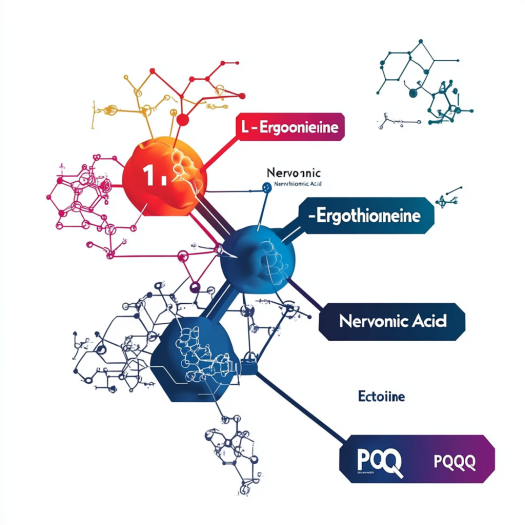
At Santa Biotech, we see clients with diverse goals. Some want to formulate dietary supplements aimed at “Men’s Health & Vitality,” blending ergothioneine with other vitamins, minerals, or herbal extracts. Others eye brain health—like pairing it with Nervonic Acid or PQQ to target cognitive function. We also get cosmetic brands curious about harnessing ergothioneine’s protective capacity for topicals. This versatility underscores that the compound isn’t pinned down to just one niche. Its place in seminal fluid is simply a piece of a bigger tapestry that reveals how important it might be across various bodily systems.
And let’s not forget about synergy with lifestyle. A good night’s sleep, stress management, consistent physical activity, and moderate sun exposure can amplify any supplement’s benefits. Each of these influences how your body handles oxidative stress. If you’re living on fast food and minimal sleep, expecting ergothioneine to fix everything is unrealistic. But if you see it as a complementary layer—part of a holistic approach—it can be a subtle yet steady ally in your wellness journey.
In practical terms, if you’re leaning toward supplementation, do a little due diligence. Check brand transparency. Look for companies that show how they source and manufacture ergothioneine, or see if they test for purity. Our team at Santa Biotech invests in fermentation-based production that yields high-purity ergothioneine, free from questionable solvents or contaminants, because we believe quality matters deeply. Once a brand or formulator has verified the integrity of the raw ingredient, combining it with other protective agents—like vitamin C or E, or even essential fatty acids—can craft a well-rounded formula for overall vitality.
Ultimately, the presence of ergothioneine in seminal fluid might be an eye-catching fact, but it’s a window into a broader phenomenon: the body’s selective desire for ergothioneine in areas that endure high oxidative or physiological stress. And that’s what makes it so special. If something is so valued by your body that it invests energy in transporting it to multiple crucial sites, perhaps there’s a reason. So if you’re reevaluating your wellness regimen, or you’re in the supplement business eager to create unique products, keep ergothioneine on your radar. The science is still evolving, but the evidence so far is both compelling and suggestive of wide-ranging benefits.
Now, if you’re ready to explore our offerings—whether for dietary supplements, functional foods, or even advanced skincare—feel free to check out our official Ergothioneine product page. We detail our fermentation approach, global compliance credentials, and suggestions on how to integrate our raw material into various formulations. From capsules targeting men’s health to multifunctional skincare lines, the possibilities are vast. And if you’re interested in forging an OEM partnership, our expertise covers everything from concept design to final packaging. That’s how we help companies deliver robust, scientifically grounded products that resonate with modern health-conscious consumers.
| Potential Ergothioneine Benefits | Notes |
|---|---|
| Antioxidant Protection | Targets areas with high oxidative stress |
| Support for Reproductive Health | Present in seminal fluid, may aid sperm |
| Skin Barrier & Anti-Aging | Topical interest for protective effects |
| Cognitive & Immune Potential | Emerging data suggests wide-ranging roles |
When you consider how versatile ergothioneine can be, it’s easy to see why it’s capturing attention. And yes, that includes its presence in a fluid as specialized as semen, raising intriguing questions about fertility and beyond. But the story doesn’t stop there—ergothioneine’s ongoing research trajectory hints at even more revelations in the years ahead.
Conclusion
Yes, current science indicates ergothioneine does appear in seminal fluid, possibly supporting sperm health. Its broader antioxidant role makes it a fascinating player in overall wellness.