If you’re like me, constantly on the lookout for innovative trends in health ingredients, nervonic acid is one you’ll find truly exciting.
Nervonic acid, extracted naturally from rapeseed oil, is increasingly used in functional foods due to its unique ability to enhance brain function, support nerve regeneration, and maintain cognitive health, meeting rising consumer demand for brain-boosting nutrition.
Let’s dive into the world of functional foods and see why nervonic acid is becoming a star ingredient among formulators and health enthusiasts alike.
What Exactly Is Nervonic Acid and Why Is It Trending?
As someone deeply involved in the biotechnology field, nervonic acid often comes up in conversations—usually with plenty of excitement.
Nervonic acid is a monounsaturated omega-9 fatty acid crucial for brain health, known for supporting nerve cell regeneration and improving cognitive functions like memory and focus. Its natural source and high bioavailability make it highly desirable in functional food formulations.

When I first encountered nervonic acid, it seemed almost too good to be true—a naturally derived ingredient that genuinely improves brain function. But the research is solid, and consumer awareness about brain health is pushing nervonic acid into the spotlight.
Why Consumers Love Nervonic Acid
People today crave convenience alongside health benefits. A nutrient that supports brain health and nerve regeneration while coming from a trusted, natural source checks every box. Consumers are looking beyond basic nutrients—they want foods that offer targeted, noticeable benefits.
The growing popularity of nervonic acid among consumers, particularly older adults, professionals, and even students, reflects a broader trend toward proactive health management. People don’t want to just age gracefully; they want to age smartly.
I’ve seen firsthand how products containing nervonic acid, like brain-boosting supplements or functional beverages, resonate deeply with users. These products speak directly to the increasing awareness and fear surrounding cognitive decline and aging. Consumers want control over their mental clarity, memory, and overall cognitive health—and nervonic acid is delivering on that promise.
How Is Nervonic Acid Used in Functional Foods?
When you think of functional foods, you might picture smoothies and energy bars. Nervonic acid, however, is expanding into far more innovative applications.
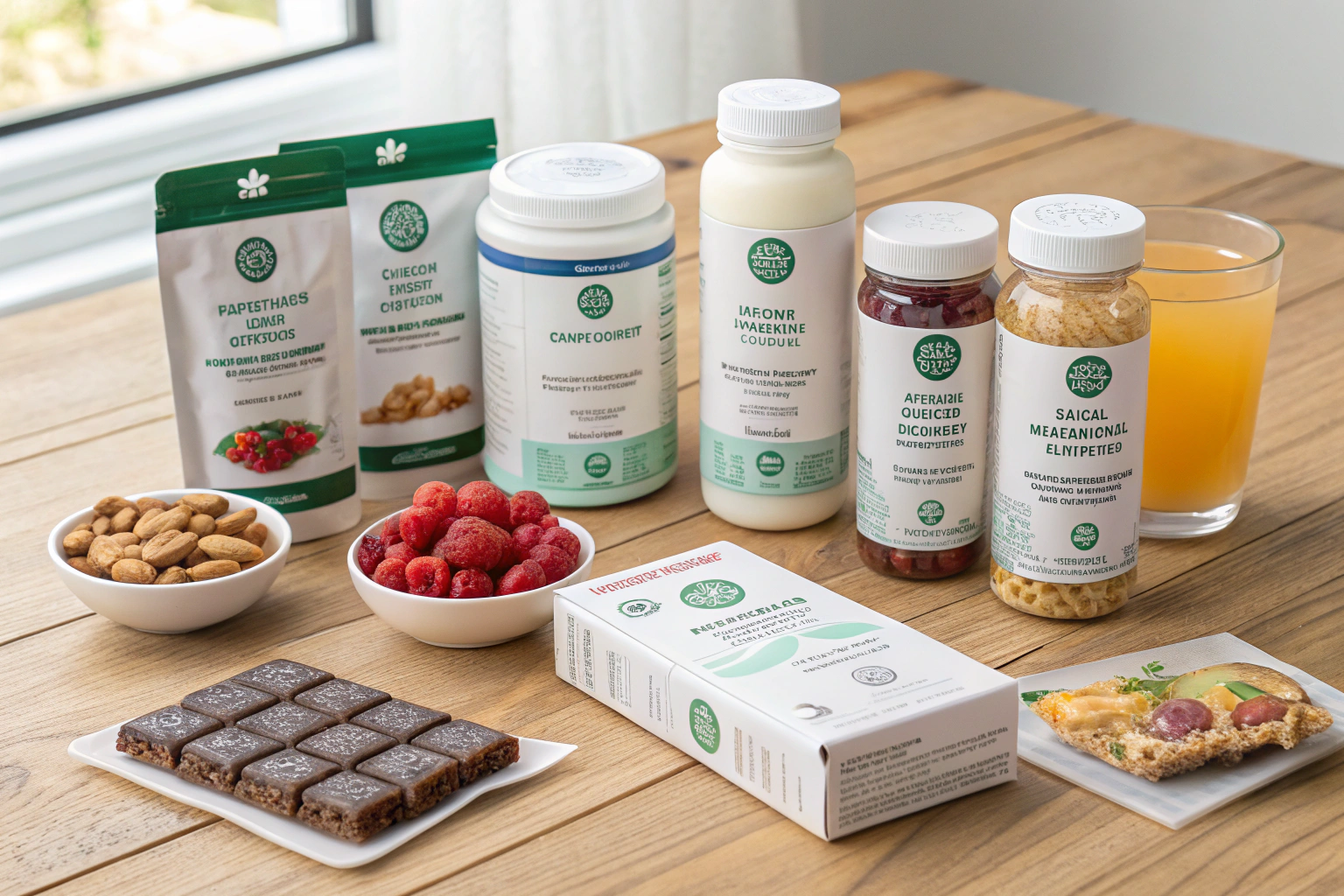
Functional foods incorporating nervonic acid now range from fortified beverages and gummies to daily sachets and snack bars, making it convenient and enjoyable to improve cognitive health in everyday diets.
Let’s look deeper at some fascinating examples of how brands integrate nervonic acid:
| Product Type | Example Use |
|---|---|
| Gummies | Brain-boosting gummies targeting busy adults |
| Functional Beverages | Drinks enriched with nervonic acid for daily brain health |
| Snack Bars | Bars formulated specifically for cognitive clarity |
| Sachets | Convenient daily doses to mix into beverages or meals |
These innovative formats resonate because they’re so seamlessly integrated into daily routines. Imagine starting your day with a brain-supportive beverage1 or grabbing a cognitive-enhancing snack mid-afternoon. It’s about making health support easy, intuitive, and effective.
Functional foods with nervonic acid are doing precisely that—they merge the boundary between supplements and daily meals, providing tangible, ongoing benefits without feeling medicinal or burdensome.
Which Markets Are Driving Nervonic Acid Innovations?
One fascinating aspect of nervonic acid’s popularity is watching how different global markets embrace it.
North America, Europe, and Asia—especially Japan and Singapore—are currently the primary markets driving nervonic acid innovations. These regions emphasize cognitive health and have consumer bases receptive to functional foods and supplements that enhance brain and nerve health.
Let’s break down why each of these markets is critical:
North America
The U.S. is a powerhouse market, driven by a population increasingly aware of aging and cognitive health. Functional foods featuring nervonic acid often highlight its brain-boosting benefits clearly on packaging, appealing to health-conscious consumers who demand transparency and effectiveness.
Europe
In Europe, innovation centers around health-oriented convenience. European consumers favor products like single-dose sachets and gummies, aligning with their lifestyle and strong preference for scientifically validated, natural ingredients.
Asia (Japan and Singapore)
Asian markets, particularly Japan and Singapore, are innovation hotbeds. Consumers here tend to be early adopters of cognitive enhancement products. Their sophisticated market appreciates functional foods clearly tied to mental performance, memory enhancement, and nerve health. Brands often leverage nervonic acid in formulations that blend modern science with traditional wellness values.
How Does Nervonic Acid Compare to Other Cognitive Ingredients?
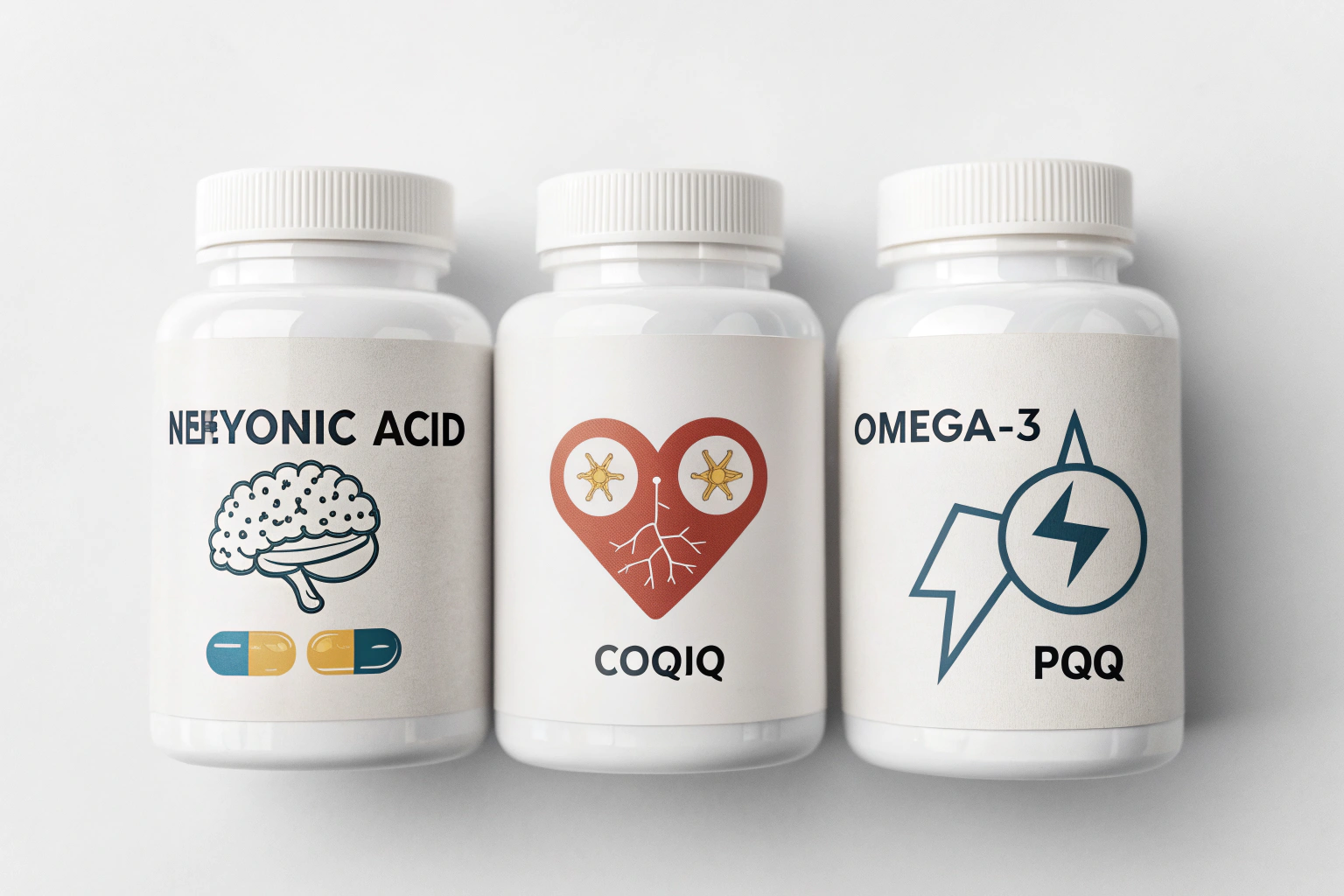
If you’re considering nervonic acid, you might also wonder how it stacks up against other popular cognitive health ingredients like Omega-3s, CoQ10, and PQQ.
Compared to Omega-3 fatty acids and CoQ10, nervonic acid offers unique benefits specifically targeting nerve cell regeneration and cognitive clarity. While Omega-3s broadly support brain health and CoQ10 boosts energy, nervonic acid directly aids the regeneration of myelin—the protective sheath surrounding nerve fibers.
Let’s compare them quickly:
| Ingredient | Main Benefit | Unique Feature |
|---|---|---|
| Nervonic Acid | Nerve regeneration and myelin repair | Directly supports nerve cell health |
| Omega-3 | Broad cognitive support and anti-inflammation | General brain and heart health |
| CoQ10 | Cellular energy production | Energy boost and antioxidant protection |
| PQQ | Mitochondrial health and cognitive support | Stimulates mitochondrial biogenesis |
As you can see, nervonic acid uniquely focuses on nerve and brain cell structure—something essential for clear thinking, memory recall, and nerve function, especially as we age.
Is Nervonic Acid Safe and Regulatory-Approved for Functional Foods?
Every ingredient in functional foods must be safe and compliant, and nervonic acid is no exception.
Nervonic acid is recognized as safe (GRAS status) by the FDA, permitted by the European Food Safety Authority (EFSA), and approved for functional food applications in Japan. This strong regulatory backing means companies can confidently use nervonic acid in products marketed globally.
This regulatory support isn’t just paperwork—it’s a trust signal for consumers. Knowing an ingredient has been thoroughly evaluated and approved reassures both consumers and companies alike. It also streamlines the innovation process, letting brands confidently develop and market nervonic acid-enhanced products.
Nervonic Acid Innovations: What’s Next?
The future looks incredibly bright for nervonic acid. Beyond current functional foods, where else could it go?
Emerging trends suggest nervonic acid will soon appear in personalized nutrition plans, digital health integration, and specialized medical foods for conditions like multiple sclerosis and cognitive decline, significantly broadening its applications and market potential.
Here’s a peek at where I think nervonic acid might appear next:
- Personalized nutrition: Custom blends or dosage levels tailored to genetic profiles or cognitive assessments.
- Digital integration: Functional foods linked to apps tracking cognitive performance or stress levels.
- Medical and therapeutic foods: Targeted clinical applications for neurological conditions, offering a bridge between pharmaceuticals and nutritional supplements.
It’s exciting to imagine nervonic acid playing an even bigger role, supporting cognitive health in ways we’re just starting to envision.
Conclusion
Nervonic acid is clearly shaping the future of cognitive health foods, combining safety, innovation, and consumer appeal beautifully.
-
Learn about brain-supportive beverages that can boost cognitive function and fit seamlessly into your daily routine. ↩