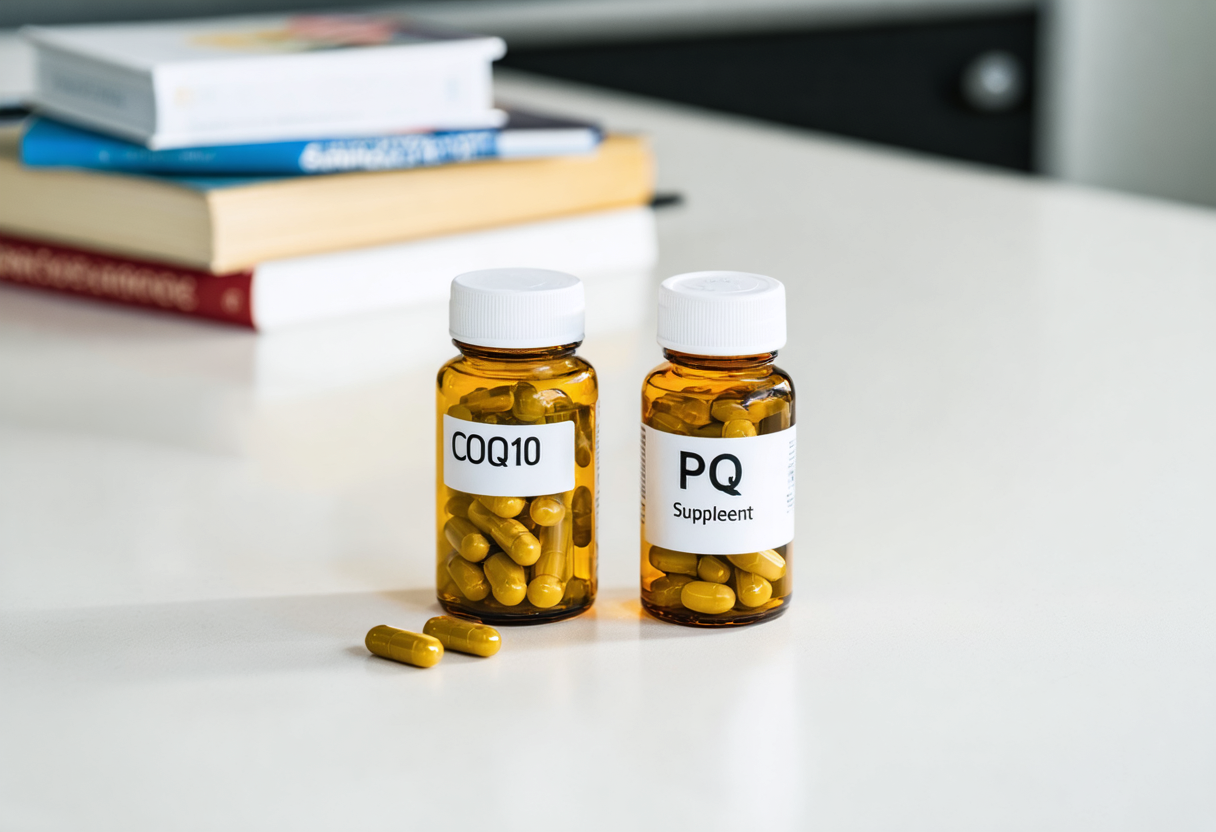
I still remember when I first heard about CoQ10 in my early twenties. Now we have PQQ on the scene, and it’s got everyone asking questions.
PQQ (Pyrroloquinoline Quinone) and CoQ10 both offer unique benefits for cellular energy. While CoQ10 focuses on energy transfer within mitochondria, PQQ may support new mitochondrial growth and antioxidant defense. Together, they can create a balanced approach to vitality, yet individual needs depend on lifestyle, health goals, and personal preferences.
It’s easy to wonder if you should add PQQ alongside your CoQ10 routine, or whether one alone does the job.
Why Pair PQQ with CoQ10 in the First Place?
When I first started hearing about PQQ, I’d already sworn by my daily CoQ10 supplement for extra pep in my step.
CoQ10 is crucial for energy production in existing mitochondria, acting like a key that helps unlock ATP output. PQQ, on the other hand, has been linked to mitochondrial biogenesis—potentially encouraging the formation of new energy powerhouses. Together, they may offer more well-rounded cellular support than either alone.

It’s funny how supplements can become part of our daily rituals. I began taking CoQ10 because I’d read that it supports heart health and energy metabolism. And truly, CoQ10 is a staple for helping existing mitochondria convert nutrients into ATP, that vital energy currency of our cells. If you ever go down the rabbit hole of reading about CoQ10, you’ll see references to how it’s especially valuable for heart and muscle tissues—which are big-time energy users.
Then, PQQ (Pyrroloquinoline Quinone) steps into the picture with a slightly different angle: potential mitochondrial creation and robust antioxidant properties. Think of your cells like bustling factories. CoQ10 might be the efficient engine oil that keeps the conveyor belts in top shape, while PQQ might help add entirely new “machines” on the production floor. The synergy is intriguing because with more mitochondria (theoretically), you might handle heavier energy demands, and with well-lubricated existing mitochondria, you can use resources more effectively.
That’s why so many folks combine them. They’re not the exact same nutrient playing the same role. One focuses on existing energy systems, the other might help expand your energy capacity. Meanwhile, both help defend cells against oxidative stress. PQQ has gained reputation for its potential neuroprotective effects, while CoQ10 is often championed for cardiovascular support. If you live a high-paced lifestyle—maybe you’re a parent juggling multiple responsibilities or a professional pulling long hours—this combination could provide an extra buffer for your daily energy and well-being.
At Santa Biotech, when we collaborate with brands interested in PQQ, we often hear about CoQ10 combos. The science suggests synergy rather than competition. But does that mean everyone absolutely needs both? Not necessarily. We’ll dig into that as we go.
Are They Essential for Everyone?
My best friend once told me, “If I took every supplement recommended on the internet, I’d spend my entire paycheck each month.” She had a point.
While both PQQ and CoQ10 can be beneficial, not everyone requires them. Factors like diet, lifestyle, age, and health goals influence whether these nutrients offer tangible advantages. Consulting a professional helps pinpoint if these ingredients align with individual needs.

The modern wellness industry can sometimes feel like a tsunami of “must-try” supplements. Trust me, I’ve been there—filling my cabinet with multivitamins, fish oil, magnesium, adaptogenic herbs, and the list goes on. Then add PQQ and CoQ10 to the ever-growing selection, and you might start questioning how many pills or capsules your daily routine can handle. So, do you actually need them both?
Here’s a key point: supplements should enhance your lifestyle, not define it. If you’re already enjoying balanced nutrition—like a diet rich in leafy greens, colorful fruits, proteins, and healthy fats—chances are you’re getting a decent baseline of nutrients. Meanwhile, if you have a physically active job or regularly engage in demanding workouts, you could be burning through your body’s energy and antioxidant defenses faster, making something like CoQ10 or PQQ more appealing. Also, older adults or those dealing with chronic stress might see sharper benefits because our internal CoQ10 production tends to decrease with age, and PQQ intake from food alone is pretty minimal.
Still, not everyone experiences a wow factor from piling on extra supplements. You might find your body’s energy levels are quite good with daily exercise, consistent sleep, and a moderate approach to caffeine. It’s essential to consider your individual context. This is where experts—nutritionists, integrative doctors—come in. They can run tests, evaluate your dietary patterns, and see if low CoQ10 or limited antioxidant support could be a factor in your fatigue or muscle recovery. For instance, if you have a family history of heart issues, CoQ10 might rise higher on your priority list. If you’re deeply interested in cognitive maintenance and the notion of supporting new mitochondria, you might zero in on PQQ.
At Santa Biotech, we see quite a variety of brand formulations. Some companies specifically target older adults who might have diminishing CoQ10 levels and want to combine that with PQQ’s potential for neural health. Others create “active lifestyle” capsules for gym-goers. The bottom line is that not everyone needs to jump on the PQQ + CoQ10 train. But if your wellness goals include boosting daily energy or exploring advanced cellular support, these two nutrients can be valuable tools—provided you maintain realistic expectations and keep the rest of your routine in check.
Should You Take Them Together or Separately?
Once I started reading about their different benefits, I naturally assumed they’d be more powerful as a pair. But is that always true?
Many experts believe combining PQQ and CoQ10 may offer synergistic benefits for energy and antioxidant support. However, taking them separately, with proper timing and dosage, can also be effective. The choice depends on product availability, personal preference, and convenience.
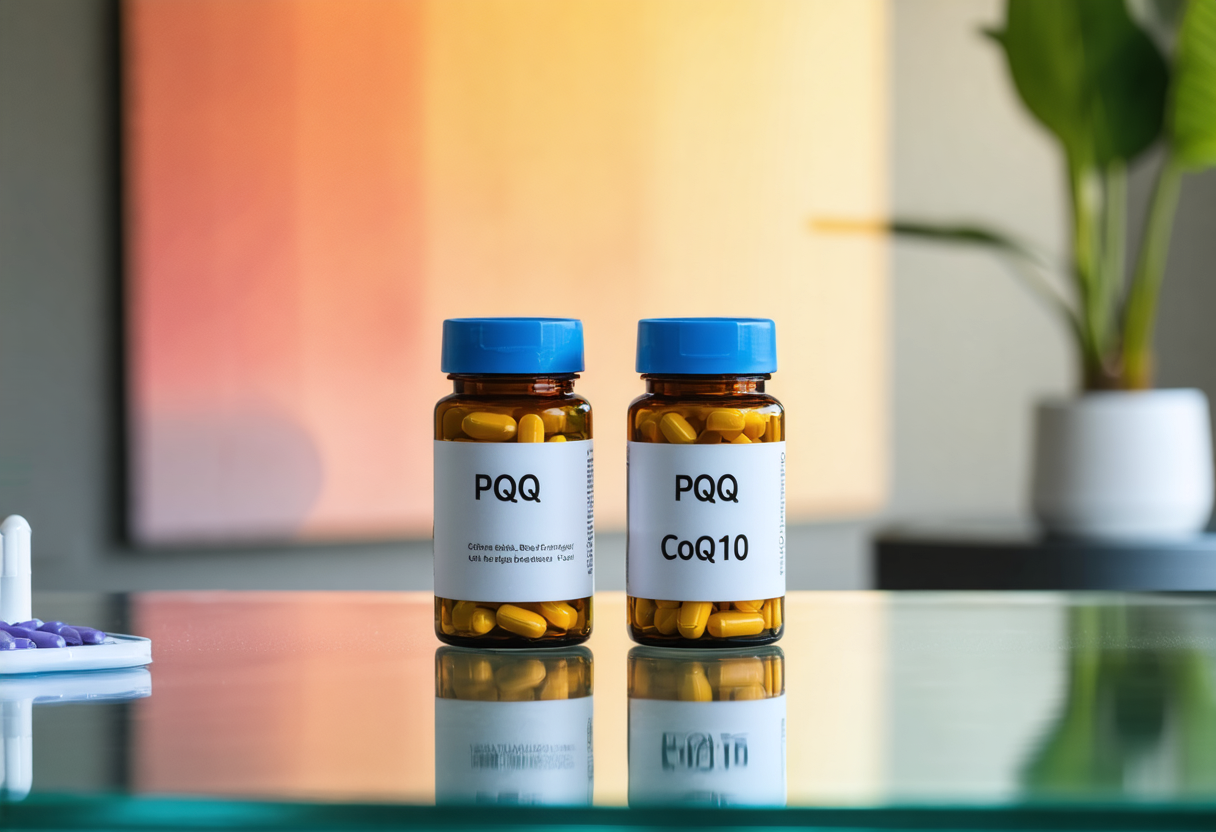
The synergy conversation reminds me of cooking. You can eat tomatoes and basil separately, but combine them, and you’ve got an iconic flavor duo. PQQ and CoQ10 might share a similar relationship: each is fine alone, yet together they can complement each other in ways that might amplify overall cellular support.
If you prefer simplicity—perhaps you don’t enjoy juggling multiple bottles—some companies offer “all-in-one” formulas that blend the two. This can be convenient because you only have to remember one daily pill or sachet. Plus, carefully designed products often consider the best ratio for synergy. For instance, you might see a product with 20 mg of PQQ plus 100 mg of CoQ10 per serving, accompanied by some B vitamins or other co-nutrients. These well-rounded blends can help ensure you’re not accidentally taking too much of one ingredient and too little of another.
On the other hand, if you’re someone who likes to fine-tune your supplement regimen, you might prefer to take them separately. For example, you could take CoQ10 in the morning—since it might give a mild boost in energy—and PQQ at midday or in the evening. Some people find that PQQ on an empty stomach feels better, while others notice no difference. It’s a matter of trial and error, especially because everyone’s digestion and tolerance can differ.
Another factor to consider is cost. Purchasing two separate products might be pricier than a single formula that includes both. But sometimes, advanced combination products can also cost more due to proprietary blends and brand markups. The trick is reading labels carefully. At Santa Biotech, when we help OEM clients craft new formulations, we often advise them to be transparent about ingredient amounts so consumers know exactly what they’re getting. We also encourage them to test synergy in pilot batches to ensure stability and consistent dosage in each capsule or serving.
Does synergy mean you’ll immediately notice a dramatic jump in your energy? Not necessarily. Nutritional interventions often work subtly over time. You might sense better workout recovery or sharper focus after a few weeks rather than a sudden jolt. This is normal. So if you’re a “just the basics” type, you might pick only CoQ10 or only PQQ, depending on your priorities. But if you like the idea of covering more ground—supporting existing mitochondria while potentially aiding new ones—then pairing them is a logical step.
Let’s not forget: synergy also hinges on the rest of your routine. If you’re skimping on sleep, drowning in stress, and fueling your body with fast food, no combination of supplements will magically fix that. Keep things balanced, stay hydrated, incorporate movement, and then see how these nutrients slot in to refine your well-being. Sometimes the small details, like taking them with a meal that contains healthy fats (especially for CoQ10, which is fat-soluble), can improve absorption significantly.
How Might They Fit into an Overall Wellness Plan?
When a friend asked me, “So, do I need to add both PQQ and CoQ10 on top of everything else?” I paused. Because the real answer is “it depends on your bigger picture.”
For many, combining PQQ and CoQ10 can enhance energy support, cognitive wellness, and general vitality. However, a holistic wellness plan also includes balanced nutrition, consistent exercise, stress management, and regular sleep. Supplements act as one piece of the puzzle, rather than a solo solution.
I’ve learned the hard way that chasing single “silver bullet” solutions in health can be disappointing. Remember when green juice cleanses were all the rage, or when intermittent fasting was pitched as the ultimate hack? I tried so many trends that I eventually realized real, lasting vitality is about synergy on multiple fronts. The same applies when exploring PQQ and CoQ10.
Dietary Foundation
No matter how potent these supplements are, they can’t replace the nutrients you get from whole foods. CoQ10 is found in small amounts in organ meats and fatty fish, while PQQ might show up in trace amounts in certain fermented or plant-based foods. But not enough to get a clinically studied dose, which is why supplementation appeals to folks wanting targeted benefits. Even so, a balanced diet brimming with vegetables, quality proteins, healthy fats, and fruits sets a stable platform for these nutrients to shine. Plus, combining supplements with a diet full of vitamins, minerals, and antioxidants can make a real difference in how your body utilizes them.
Exercise and Mitochondrial Efficiency
If you’re taking PQQ to potentially spur mitochondrial growth, keep in mind that physical activity remains one of the best catalysts for mitochondrial biogenesis. Interval workouts, resistance training, and everyday activities that challenge your muscles all encourage your body to adapt, building more or healthier mitochondria in the process. So PQQ and CoQ10 might augment that process, but exercise is the bedrock. If you’re sedentary, you’re not giving your mitochondria enough reason to upgrade themselves, no matter how many capsules you swallow.
Stress and Sleep
Cortisol spikes from chronic stress, or persistently poor sleep, can chip away at your energy and overall health. Ironically, you might turn to CoQ10 or PQQ for a daily jolt of vitality, but if you aren’t sleeping well, the foundational problem lingers. Aim for 7–9 hours of quality sleep to help your brain and body rejuvenate. Doing so can help these supplements do their job more effectively. Some individuals also notice that stress can affect how they digest or respond to certain nutrients. If your gut is in turmoil from anxiety, even top-notch supplements might not be absorbed optimally.
Mindset and Goals
Are you an athlete looking for an edge in performance or recovery? Are you a busy professional aiming for clearer focus throughout the day? Or perhaps you’re in your 50s or 60s and concerned about maintaining robust heart and cognitive health. Each scenario calls for a slightly different approach. CoQ10 often resonates with those prioritizing cardiovascular support, while PQQ can intrigue folks wanting advanced cognitive or anti-aging angles. Combining them might cater to both worlds, but only if that aligns with your personal health goals. If you don’t have a particular aim in mind, you might be better off sticking to a more general approach until you clarify your objectives.
Product Quality
Selecting high-quality supplements makes a difference. At Santa Biotech, we emphasize fermentation-based, solvent-free PQQ that meets global compliance standards. We also see a wide range of CoQ10 sources in the market, from ubiquinone to ubiquinol forms. For synergy, you want each nutrient to be in a form that your body can readily use. Don’t just chase the cheapest product out there. If you suspect your brand’s CoQ10 or PQQ lacks potency, consider a brand that invests in third-party testing or transparent production practices.
Integration Over Addition
In practice, you might not need to overhaul your entire routine. Maybe you already take a daily multivitamin or fish oil. Introducing a PQQ + CoQ10 combination could fill a gap in your energy or mitochondrial support, especially if you sense you’re always a bit drained. Keep track of how you feel over a month or two—journal your energy levels, mood, exercise recovery. Supplements like these often yield subtle but meaningful shifts. If you see improvements in stamina or mental clarity, that’s a good sign you’re on the right track.
Back to the Big Picture
Ultimately, the question “Do I need PQQ with CoQ10?” doesn’t exist in a vacuum. It sits alongside other queries like, “Am I eating well?” or “Am I scheduling time for rest, relationships, and movement?” My own approach is to keep it simple but strategic. I have a short list of core supplements—like vitamin D, a high-quality omega-3, and sometimes a well-rounded B-complex. CoQ10 (100 mg daily) has been part of my routine for years, especially on hectic days. Lately, I’ve been incorporating a small dose of PQQ (about 10 mg daily) and noticing a slightly steadier energy. It’s not night-and-day difference, but I do feel more “on” throughout the day.
That’s a personal anecdote, of course, but it reflects how these nutrients can slot into a real-life scenario. I also keep an eye on how I sleep, how much stress I’m under, and whether my diet stays on track. Whenever those basics slip, no supplement can fully compensate. But when everything’s in harmony, adding PQQ with CoQ10 can be like that final brushstroke on a painting—elevating the overall effect from decent to distinctly better.
Where Does Santa Biotech Fit into This Conversation?
You might be wondering: “Okay, so where does Santa Biotech come into play with PQQ and CoQ10?” I’m glad you asked.
Santa Biotech is all about fermentation-based raw materials, including high-purity PQQ that’s B2B-ready for supplement manufacturers. We collaborate with partners to craft synergistic products—often blending PQQ, CoQ10, or other nutrients—to meet consumer demands for clean-label, high-quality formulations.

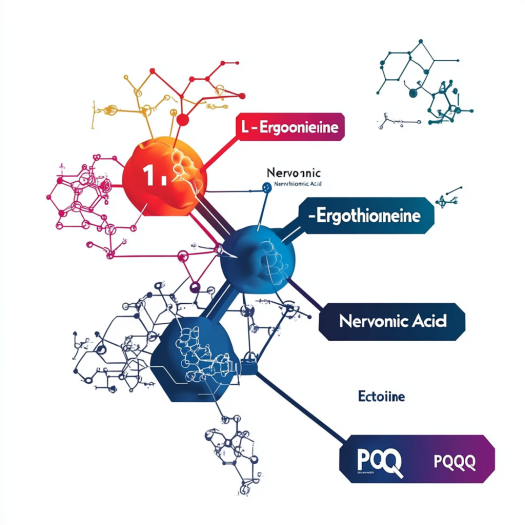
Before I joined Santa Biotech as Marketing Director, I worked on the brand side, trying to source reliable ingredients for various product lines. It was challenging to find suppliers that consistently delivered on purity, compliance, and real partnership. So stepping into Santa Biotech felt like a breath of fresh air. We specialize in advanced fermentation-based antioxidants and anti-aging raw materials, from PQQ to Ectoine to Ergothioneine. These ingredients are produced using synthetic biology fermentation technology, avoiding harmful solvents or contaminants. That means supplement makers get raw materials that are safe, consistent, and globally compliant.
PQQ Production and Why It Matters
You might see PQQ on numerous store shelves, but not all PQQ is created equal. Some processes use harsh chemicals or produce inconsistent purity levels. Our fermentation-based approach, on the other hand, focuses on microbial strains specifically engineered to generate PQQ at a high concentration. Post-fermentation, we refine it gently to remove impurities. The result is a raw material that meets strict regulatory standards—like those from the FDA and EFSA—and doesn’t carry the residue of aggressive solvents. That’s crucial for brands that want to appeal to health-conscious consumers who read labels and demand transparency.
CoQ10 Partnerships
While we don’t currently produce CoQ10 in-house, we often partner with reputable CoQ10 suppliers who share our values for quality and safety. Why? Because our B2B clients frequently ask: “Can you help us create a synergy product with PQQ and CoQ10?” So we maintain a network of trusted raw material sources, ensuring that if a brand wants to develop a combination formula, we can guide them to reliable CoQ10 supply or incorporate it directly during OEM (Original Equipment Manufacturing) processes.
OEM Services from Concept to Shelf
When a prospective client—be it a supplement brand, functional food company, or even a cosmetics firm—comes to us with an idea, we don’t just ship them PQQ powder and say, “Good luck.” We can walk them through the entire product development journey, from formulation to packaging. For instance, imagine a brand wants to release a gummy supplement combining PQQ, CoQ10, and perhaps a few B vitamins. Our technical team can advise on how to keep each ingredient stable, how to optimize flavor, and how to ensure even distribution in each gummy. Then we can assist with packaging solutions that highlight the synergy between PQQ and CoQ10. This streamlined approach can be a game-changer for companies that lack deep formulation or manufacturing expertise.
Regulatory and Compliance
One of the biggest headaches for global brands is navigating the patchwork of regulations across various markets. A formula that’s fine in the U.S. might need adjustments for the EU or Japan. Because our business model focuses on B2B export to multiple regions, we maintain thorough compliance documentation. This includes certificates of analysis, testing reports, and alignment with local regulations for supplements or cosmetics. Clients can rely on us to provide the paperwork that ensures their end products meet the rules. That’s especially important when it comes to novel ingredients like PQQ, which might still be new to certain markets. We stay in close contact with regulatory bodies, ensuring no nasty surprises down the road.
Product Expansion Beyond Supplements
While I’ve mostly been talking about ingestible products, we shouldn’t forget PQQ’s potential in skincare. Some pioneering cosmetic brands experiment with adding PQQ to creams or serums, banking on its antioxidant and possible cellular renewal angles. CoQ10 has long been featured in anti-aging skincare for similar reasons, so combining them is a compelling concept. If you’re a cosmetic brand looking at advanced skincare solutions, we can help formulate or supply raw materials that fit your brand story and meet global cosmetic standards.
Partnering for Consumer Education
One thing that sets Santa Biotech apart is our emphasis on educating both our B2B partners and, indirectly, the end consumers. PQQ and CoQ10 aren’t yet household names like vitamin C or protein powder. They can be confusing. So we often provide marketing support—like educational materials, infographics, or Q&A documents—to help brands communicate the benefits and differences of these nutrients. For instance, if you’re introducing a new PQQ + CoQ10 product, we can help craft a succinct explanation on your label or website, ensuring consumers understand how these two ingredients complement each other.
Future-Focused Innovation
We’re not just content with the status quo. Our R&D department keeps a pulse on emerging research, testing new ways to combine PQQ with other ingredients for targeted health outcomes. Whether it’s blending Nervonic Acid for cognitive support or Ectoine for better skin resilience, we like pushing boundaries in formula design. Our production lines accommodate small test batches, so we can pilot experimental products without heavy financial risk. This flexibility appeals to both major brands and niche start-ups wanting to differentiate themselves in a crowded market.
Sustainability and Ethical Responsibility
Finally, the fermentation approach is more eco-friendly compared to certain chemical synthesis methods. We aim to minimize our environmental footprint, from sourcing raw materials to disposing of production byproducts responsibly. Today’s consumers often factor in sustainability when choosing products, so our clients can highlight that aspect in their marketing. “Fermentation-based PQQ” might sound technical, but it’s a sign of a more natural, planet-friendly production method. It’s something we’re genuinely proud of because we believe the best solutions uplift both human health and ecological balance.
A Real-World Example
Recently, we worked with a U.S.-based supplement brand that wanted a “High-Potency Cellular Energy Support” capsule. They asked for 30 mg PQQ—sourced from our fermentation lines—paired with 100 mg CoQ10, plus black pepper extract for improved absorption. We assisted them from concept to finished product, including label design and compliance checks. The product launched with positive feedback, with customers reporting steady energy levels and fewer midday slumps. While anecdotal, these stories underscore the synergy we’ve talked about. For us, it’s gratifying to see how well these nutrients can blend into people’s busy lifestyles when formulated thoughtfully.
All in all, Santa Biotech’s role in the “Do you need PQQ with CoQ10?” conversation is providing the behind-the-scenes support that helps brand owners deliver well-crafted supplements or functional foods. If you’re curious about the specifics of PQQ production or want to see how we handle purity and safety, check out our official PQQ product page. We keep it updated with technical specs, usage guidelines, and relevant research pointers. Our mission is straightforward: supply top-tier raw materials and OEM solutions so you can put your brand’s best foot forward in the marketplace.
| Santa Biotech Services | What It Means for You |
|---|---|
| Fermentation-Based PQQ | High purity, solvent-free, consistent |
| Trusted CoQ10 Sources | Potential synergy for combined formulas |
| OEM Product Development | End-to-end help: formula, packaging, compliance |
| Global Regulatory Support | Seamless market entry across regions |
| Innovative Formulations | Explore combos with Ectoine, Nervonic Acid, etc. |
Whether you’re a small start-up exploring your first synergy product or a large enterprise expanding your line, we stand ready to collaborate. We know how to handle production complexities so you can focus on marketing, branding, and connecting with your target audience.
Conclusion
PQQ and CoQ10 can work in harmony to support your energy and wellness goals. They’re not mandatory for everyone, but they can be a dynamic combo when integrated thoughtfully.