I still recall the day I was flipping through a health magazine and stumbled on a short snippet about PQQ. I’d long known about vitamin C—who hasn’t heard of that go-to immune booster and collagen builder? But this was new territory. I found myself wondering: Is PQQ better than vitamin C?
On the surface, PQQ (Pyrroloquinoline Quinone) and vitamin C both offer potent antioxidant support. While vitamin C excels at immune function and collagen formation, PQQ stands out for its mitochondrial support and potential role in cognitive health. Rather than calling one “better,” it’s often about the unique advantages each nutrient brings to the table—and how they can complement, rather than replace, one another.
I couldn’t help but think, “Okay, so maybe it’s not an either/or situation. Maybe each plays a special role.” But let’s dig deeper together.
How Does PQQ Stack Up Against Vitamin C?
I remember meeting a friend for coffee who was raving about vitamin C’s wonders—her skin looked vibrant, and she swore by daily vitamin C supplements. Meanwhile, I’d just come across PQQ, which promised something different.
Vitamin C is widely known for immune system support, collagen synthesis, and fighting oxidative stress. PQQ, on the other hand, shines in mitochondrial health and cognitive support. Both deliver antioxidant benefits, but their specific strengths differ, making them potentially complementary rather than strictly competitive.

It’s funny—I used to think “antioxidant” was a single category where everything worked the same. Then I realized antioxidants come in all shapes and sizes, each with its own set of strengths. Vitamin Cis water-soluble, meaning it circulates easily in blood and tissues to help neutralize free radicals before they wreak havoc. It’s also famous for assisting collagen production, giving you that healthy glow and strong connective tissue. Plus, it has a storied history as a scurvy-preventer, which might not be as big a concern these days but definitely put vitamin C on the map.
PQQ, however, goes after a different target: mitochondria. Consider mitochondria your cellular “batteries,” generating the energy that keeps you awake, thinking, and moving. Over time, as these tiny power plants take wear and tear, you might see dips in energy or cognitive clarity. PQQ has been linked to promoting mitochondrial biogenesis—a fancy way of saying it may help spark the formation of new, functional mitochondria. That’s huge if you’re aiming to support everything from daily vitality to long-term cognitive function.
Now, does that mean you should toss out your vitamin C tablets and embrace only PQQ? Not so fast. Vitamin C still has a crucial role, especially for immune responses and tissue repair. Meanwhile, PQQ is relatively new to mainstream supplements, so it’s not as well-researched as vitamin C. But existing studies hint at its potential to elevate cellular energy and support nerve health. The big takeaway is this: they each bring their own brand of benefits. One isn’t exactly “better” across the board—rather, they fulfill separate but equally important niches.
To me, that feels like comparing apples to oranges—both are fruits and both have vitamins, yet each boasts its own unique flavor and nutrient profile. If you want more robust immune support, vitamin C might be your close friend. If you’re seeking to optimize energy at a cellular level, PQQ could be the intriguing newcomer you’ve been searching for. And yes, some people choose to combine them for a well-rounded approach. After all, synergy is a thing.
Can PQQ Replace Vitamin C in My Diet?
This question popped up when I found someone on a forum suggesting they’d ditch vitamin C in favor of PQQ. It made me wonder if that was too big a leap.
No single supplement can fully replace another when each has distinct functions. Vitamin C remains crucial for collagen, immune defense, and general antioxidant support, while PQQ focuses on mitochondrial vitality and potential cognitive benefits. Replacing vitamin C with PQQ alone may overlook essential roles that vitamin C uniquely fulfills.
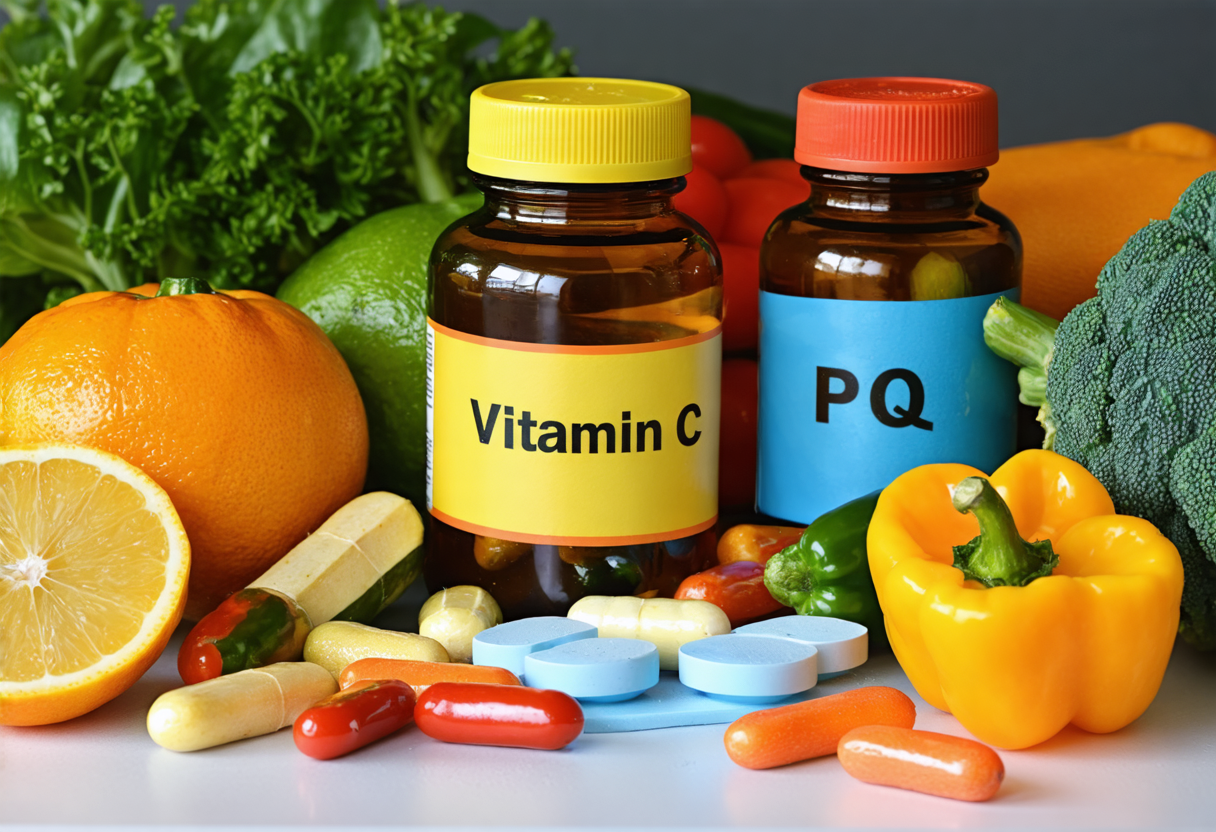
When I was a kid, my mom would remind me daily: “Eat your citrus fruits,” because she believed wholeheartedly in vitamin C for warding off colds. As an adult, I see the science behind that—vitamin C is integral to immune function, and it also helps keep skin and connective tissues healthy. Yet, there’s a trend these days: once we discover a shiny new antioxidant, we think it might overshadow the old standbys.
That said, PQQ isn’t just a new version of vitamin C. It’s a distinct molecule with a specialized focus on mitochondrial support. You can think of vitamin C as a broad-spectrum antioxidant, helping in dozens of daily cellular processes, from wound repair to stress management. PQQ is narrower in scope but powerful in that niche: it helps with energy metabolism, possibly aiding the growth of new mitochondria and defending them against oxidative damage. That’s a big deal for people seeking a boost in daily stamina or looking to support healthy aging at the cellular level.
One of my colleagues at Santa Biotech once joked, “Trying to replace vitamin C with PQQ is like trying to replace a strong Swiss army knife with a high-tech power drill.” Each tool has its own function. The Swiss army knife (vitamin C) can do a bit of everything, though it might not be specialized for any single extreme task. The power drill (PQQ) excels at one particular role—supporting mitochondrial energy—while it won’t do all the day-to-day stuff that the Swiss army knife can. That analogy stuck with me because it captures how these nutrients differ so fundamentally in their usage.
Another angle to consider: Our bodies need vitamin C in dietary amounts we can handle daily. We can’t produce vitamin C endogenously, so skipping it altogether can lead to deficiencies that might compromise immunity and connective tissue integrity. On the flip side, PQQ is not something the body typically generates in large quantities, either, so supplementation can help fill that gap if you’re eyeing mitochondrial benefits. But the key word here is “add”—not “replace.” Instead of dropping one for the other, it’s often more prudent to see how both can be part of a cohesive supplement strategy.
In short, vitamin C remains a cornerstone of basic nutrition. PQQ is more of a specialized ally for advanced cellular energy support. Melding them, rather than swapping them out, may give your body a broader range of antioxidant tools, helping you tackle day-to-day stress and support deeper, cellular-level needs. That’s my personal perspective, anyway, and it’s guided how I approach both nutrients in my own health routine.
Do They Work Together or Against Each Other?
It’s natural to wonder if combining PQQ and vitamin C might lead to interactions or wasted effort. Maybe they’d cancel each other out?
Most research points to a cooperative relationship rather than conflict. Vitamin C’s broad antioxidant coverage can complement PQQ’s mitochondrial focus, potentially enhancing overall cellular protection and energy support without interfering with each other’s primary roles.

At Santa Biotech, we see a recurring theme: synergy. Brands often want to combine multiple ingredients, whether that’s PQQ with vitamins like C or E, or even pairing PQQ with Nervonic Acid for brain health. One of our OEM clients once asked, “Will adding vitamin C overshadow the effect of PQQ, or vice versa?” That’s a valid concern. But the science so far suggests that each nutrient stays in its lane.
Vitamin C acts in parts of the body where water-based fluids predominate: blood plasma, the watery portions of your cells, and so forth. PQQ, while partially water-soluble, really shines in the mitochondria. It’s not as though either nutrient steals electrons meant for the other. If anything, they may help cover more ground together. Vitamin C can keep free radicals in check throughout your bloodstream and tissues, while PQQ bolsters the energy systems at the heart of your cells.
We also shouldn’t overlook the fact that vitamin C is known to help regenerate other antioxidants in a cycle—like how vitamin C can help regenerate vitamin E after vitamin E neutralizes a free radical. While I haven’t seen major studies indicating vitamin C regenerates PQQ directly, the concept of an antioxidant “network” stands. When you have multiple antioxidants working in tandem, the body can shuffle electrons around, maintaining a more stable overall antioxidant capacity.
Some folks worry that stacking antioxidants might lead to “too much of a good thing,” possibly dampening certain beneficial signaling pathways. For example, small amounts of oxidative stress can trigger healthy adaptation in muscle cells. So yes, going overboard with any antioxidant regimen can be counterproductive, especially if you’re taking extremely high doses daily. But moderate, well-balanced supplementation typically doesn’t push you into that territory.
Another aspect of synergy is product formulation. At Santa Biotech, we help our clients design everything from capsules to functional beverages that combine PQQ, vitamin C, and other nutrients. The idea is to harness complementary benefits—maybe you get immunity and collagen support from vitamin C, plus the cellular energy bump from PQQ. It’s not surprising that some formula testers report feeling more sustained energy or notice faster post-workout recovery. Even though anecdotal stories aren’t the same as large-scale clinical trials, they do give a sense of how synergy might feel day-to-day.
On a personal level, I’ve tried pairing a moderate-dose vitamin C supplement (like 500 mg daily) with 10-20 mg of PQQ. Did I transform into a superhuman overnight? No, but I did notice a steadier sense of well-being, fewer midday slumps, and a bit more resilience under stress. That’s purely subjective, but it aligns with the feedback we hear from various corners. Essentially, if you’re already relying on vitamin C to keep your immune system happy, PQQ can step in to help ensure your mitochondria aren’t being left behind. It’s a team effort.
How to Integrate PQQ and Vitamin C into a Balanced Wellness Plan?
When I chat with health-conscious friends, they ask, “So how do I actually use these together without going overboard?” It’s a fair question, especially if you’re juggling multiple supplements.
Aim for moderate, well-validated dosages of each nutrient—like 10–20 mg of PQQ and 500–1000 mg of vitamin C per day, unless a professional suggests otherwise. Pair them with a balanced diet, regular exercise, and other healthy habits for a holistic approach that taps into both mitochondrial and immune support.

I remember a time I tried to overhaul my entire routine—diet, exercise, and supplements—overnight. Spoiler alert: it didn’t stick. I felt overwhelmed juggling complex supplement schedules and meal prepping. But over the years, I’ve learned that incremental changes can be far more sustainable. For instance, I started by making sure I met my vitamin C needs each morning. That might mean an orange at breakfast or a dependable 500 mg tablet (since our bodies don’t store large amounts of C well). Once I was comfortable with that habit, I introduced PQQ into my regimen, typically as part of a morning supplement stack.
Let’s talk dosage a bit more. Many experts say 500–1000 mg of vitamin C daily is a good range for general health, though some push it higher for targeted purposes. As for PQQ, 10–20 mg per day is often mentioned in studies for its potential cognitive and energy benefits. If you’re a high-performance athlete or dealing with special health concerns, you might need to adjust those numbers—but that’s something best explored with a healthcare professional.
The synergy also extends to diet. Foods rich in vitamin C—citrus fruits, bell peppers, berries—contribute a baseline level, so you’re not leaning solely on supplements. PQQ is found in trace amounts in foods like fermented beans and certain vegetables, but it’s tough to get therapeutic levels from diet alone. That’s why supplementation often comes into play. Think of it this way: vitamin C from fresh produce can keep your daily antioxidant load steady, while a small PQQ capsule specifically targets deeper cellular energy processes.
Don’t forget lifestyle factors. All the antioxidants in the world won’t fix chronic stress or poor sleep. Cortisol spikes from stress can generate oxidative stress, burning through nutrients like vitamin C more rapidly. Meanwhile, if you’re physically inactive, your mitochondria might not be challenged in ways that keep them robust. Combining PQQ and vitamin C is a good start, but pair that with regular exercise (even daily walks), hydration, and stress-reducing techniques such as meditation or yoga. That’s how you form a well-rounded foundation.
At Santa Biotech, we see this holistic picture come to life in our clients’ products. They might design a beverage that incorporates PQQ for energy plus vitamin C for immune support, aligning with consumer demands for comprehensive, easy-to-consume solutions. If you’re curious about how we source or produce PQQ with high purity, you can check out our official PQQ product page. We emphasize natural fermentation methods, meaning you get a quality ingredient that’s consistent and free of harsh solvents.
Sometimes, it’s also worth pairing these nutrients with others that amplify benefits. For instance, a multivitamin that includes zinc and B vitamins can enhance immunity and energy metabolism. Ectoine or Ergothioneine might appear in advanced formulas targeting cell protection. Of course, you don’t want to create a kitchen-sink approach where you swallow a handful of pills with no rhyme or reason. Pick and choose based on your unique needs or the product concept you’re developing.
Finally, keep an eye on how you feel. Maybe track your energy levels, note any changes in your complexion or how quickly you bounce back from strenuous tasks. Supplements aren’t magic bullets—they’re more like consistent nudges that can, over time, shift your baseline toward better health. If you experience noticeable improvements, great. If not, reconsider your dosage or look at other parts of your routine. It’s all about experimentation grounded in reliable information, and adjusting as you go until you find a sweet spot that feels sustainable and beneficial.
Now, let’s pause for a second and think: have we covered all the angles? PQQ vs. vitamin C often boils down to “Which one do I need more?” but as we’ve seen, they’re not truly in competition. They operate in different biochemical territories, each with a specialized focus. In many cases, you’ll likely reap the best rewards by letting them coexist in your daily plan.
Where Does Santa Biotech Fit In?
You might be wondering, “What does Santa Biotech have to do with all this talk about PQQ and vitamin C?” Good question.
At Santa Biotech, we specialize in fermentation-based production of PQQ and other naturally sourced antioxidants. We work with B2B clients—like supplement brands and functional food companies—to develop high-quality products that meet global standards for purity, safety, and efficacy. Through our OEM services, we help formulate unique combinations that may include PQQ, vitamin C, and other supporting ingredients.
Before joining Santa Biotech as Marketing Director, I spent years observing how the market for natural antioxidants evolved. Vitamin C was always a mainstay, but the excitement around new compounds—like PQQ—kept growing. I saw numerous players rush to capitalize on emerging research, sometimes cutting corners in production. That’s where Santa Biotech stands out: we commit to rigorous standards, advanced fermentation techniques, and environmentally conscious methods.
Why fermentation? The short answer is purity. By leveraging microbial strains carefully selected for their ability to produce PQQ, we avoid harsh solvents and synthetic processes that can compromise quality. This approach also aligns with increasing consumer demand for “clean label” products—those free from questionable chemicals or manufacturing residues. In practical terms, if a brand partners with us to source PQQ, they’re getting a consistent, high-purity material that meets international regulations like the FDA in the U.S. and EFSA in the EU.
We don’t just stop at raw materials, though. Our OEM (Original Equipment Manufacturing) services take product concepts from idea to final packaging. Let’s say you’re a dietary supplement manufacturer looking to create a “Mitochondrial Support” capsule that blends PQQ with vitamin C. We can help with:
- Formulation Advice: Determining the right dosage range to balance PQQ’s mitochondrial benefits with vitamin C’s broad antioxidant coverage.
- Production: Manufacturing the capsules under strict quality control, ensuring each batch meets label claims for potency.
- Packaging: Designing and producing packaging that highlights the synergy between PQQ and vitamin C—while complying with labeling guidelines in your target market.
- Regulatory Compliance: Navigating the import/export rules, securing necessary certificates, and providing comprehensive documentation.
That’s a big deal if you’re venturing into new regions like North America or Asia. We’ve seen how complex it can be to handle varied regulations and testing requirements. Our global reach and experience in B2B exports mean we’ve already ironed out many of those wrinkles.
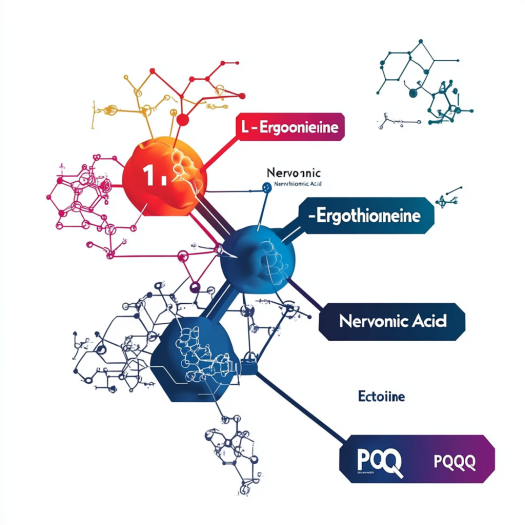
On top of that, Santa Biotech supplies an array of complementary ingredients. Maybe you want to add Ectoine for skin hydration benefits or Ergothioneine for even more robust oxidative defense. We can advise on how these ingredients integrate with PQQ and vitamin C, turning a decent product into a powerhouse formula. The synergy between multiple compounds can be a real differentiator in a crowded market, offering a more comprehensive angle on wellness—be it energy, anti-aging, or immune support.
For instance, imagine a “Daily Vitality” powder sachet that you can mix into your morning smoothie or water bottle. We can incorporate:
- PQQ for mitochondrial energy,
- Vitamin C for immune support and collagen synthesis,
- Ergothioneine for cellular defense,
- Nervonic Acid for potential nerve health benefits,
- and maybe a dash of B vitamins for metabolic synergy.
You end up with a truly multi-faceted product that appeals to health enthusiasts seeking more than just a generic vitamin blend. Of course, we do a ton of behind-the-scenes work to ensure everything remains stable, mixes well, and tastes decent (if it’s a beverage). That’s the beauty of OEM partnerships: we handle the heavy lifting so our clients can focus on brand storytelling and reaching their audience.
I also value that Santa Biotech invests in ongoing research. We partner with labs and universities to keep tabs on new findings. If a new study reveals that combining PQQ with vitamin C yields better markers of oxidative stress reduction than either alone, we can integrate that insight into our formulations. This commitment to scientific discovery means we’re not just passively producing ingredients; we’re actively shaping the conversation around advanced nutritional and cosmeceutical solutions.
Let’s not forget the crucial aspect of cost-effectiveness. Thanks to our five production lines, we scale from low MOQs (Minimum Order Quantities) for niche or emerging brands up to high-volume production for larger players. That helps us adapt to the needs of various business models, ensuring that both new startups and established corporations can access our high-quality raw materials.
Ultimately, the question “Is PQQ better than vitamin C?” might persist among consumers, but from a product development standpoint, the real magic often lies in harnessing both. Santa Biotech can help you do exactly that—meld them into one cohesive product that addresses multiple health concerns in one go. Whether it’s a daily supplement, functional beverage, or skincare formulation, we have the technical know-how and global compliance expertise to make it happen.
On a personal note, I love seeing the final products. There’s something gratifying about picking up a finished bottle of capsules, reading the label touting “PQQ + Vitamin C for Enhanced Cellular Vitality,” and knowing we had a hand in every step—from the fermentation-based production of the raw PQQ to the packaging line that carefully sealed each capsule. It’s even more rewarding to hear success stories from end users who appreciate the difference these formulas make in their daily lives.
So, if you’re a brand or manufacturer pondering whether to launch a new product featuring PQQ and vitamin C, we’re here to help. Not only can we supply the ingredients, but we can also guide you through the entire process, ensuring you end up with a product you’re proud to put on store shelves. Our philosophy is that science, innovation, and transparency lead to long-lasting partnerships—and satisfied customers around the world.
| Ingredient | Core Strength |
|---|---|
| PQQ | Mitochondrial support & cognitive potential |
| Vitamin C | Immune defense & collagen synthesis |
| Ectoine | Skin hydration & barrier protection |
| Ergothioneine | Antioxidant with cell-protective properties |
| Nervonic Acid | Potential nerve health & focus support |
Each of these ingredients brings its own flair, and combining them can create advanced, well-rounded formulas that stand out in a competitive market. This is where Santa Biotech excels: helping you navigate from concept to reality.
Conclusion
PQQ and vitamin C serve different yet complementary roles—one isn’t strictly “better,” but they can enhance each other when wisely combined.