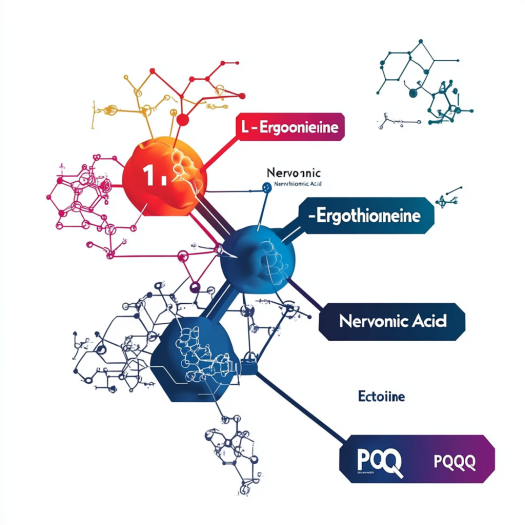

Nervonic acid is a fascinating fatty acid with significant roles in both plant biology and human health. Over the years, there have been exciting strides in understanding its biosynthesis. Let’s take a look at the latest research progress in this area.
Recent research has shed light on the biosynthesis of nervonic acid, focusing on key enzymes, plant pathways, and the molecular mechanisms that contribute to its production.
The biosynthesis of nervonic acid is an intricate process involving enzymes and metabolic pathways in plants and microorganisms. Understanding how this compound is produced not only has implications for plant breeding1 but also for health benefits in humans. Let’s dive into the details of recent discoveries.
What Are the Key Enzymes in Nervonic Acid Biosynthesis?
Nervonic acid biosynthesis begins with the elongation of fatty acids, and key enzymes in this process include elongases and desaturases. These enzymes catalyze the elongation and desaturation reactions that convert shorter-chain fatty acids into the 24-carbon nervonic acid.
Enzymes like elongases and desaturases are central to converting shorter fatty acids into nervonic acid during its biosynthesis.
The first key enzyme in nervonic acid biosynthesis is elongase2, which adds two carbon atoms to fatty acid chains. Desaturase enzymes then introduce double bonds to the fatty acid, facilitating the transformation into nervonic acid. Understanding these enzymes and their roles has led to exciting insights into how we can potentially optimize nervonic acid production.
How Do Elongases and Desaturases Contribute to Nervonic Acid Production?
The role of elongase enzymes is crucial in the early stages of fatty acid synthesis3. They extend chain lengths of saturated fatty acids, starting from the 16-carbon precursor palmitic acid, creating longer chains such as stearic acid. Desaturase enzymes then introduce a double bond at the 15th position, yielding nervonic acid.
Elongases extend fatty acid chains, and desaturases introduce a double bond, producing nervonic acid.
The Role of Elongases and Desaturases in Plants
Elongases and desaturases operate in tandem to produce nervonic acid from shorter-chain fatty acids. In plants like rapeseed and mustard, these enzymes work to form the long-chain fatty acids that make up seed oils. The combined action of these enzymes in plants ensures a steady production of nervonic acid, which is crucial for plant growth and development, especially in seed development.
By optimizing the function of elongases and desaturases, plants can produce more nervonic acid, which is essential for cellular structures and energy storage.
What Role Does the Plant’s Metabolic Pathway Play?
The metabolic pathway in plants plays a central role in the production of nervonic acid. Once the initial fatty acids are elongated and desaturated, they are integrated into the plant’s lipid metabolism4. These processes ensure that nervonic acid is available for various cellular functions, including membrane formation and energy storage in seeds.
The plant’s metabolic pathways integrate fatty acid biosynthesis into broader lipid metabolism, ensuring optimal nervonic acid production.
How Metabolism Affects Nervonic Acid Levels
Metabolism in plants isn’t just about energy production—it’s a complex network of reactions that maintains cellular integrity and supports growth. By regulating the activity of metabolic enzymes, plants can adjust the production of nervonic acid to meet their needs. This adaptive mechanism ensures that seeds are well-equipped with energy reserves and the necessary components to survive and grow into healthy plants.
Regulating metabolic pathways can optimize nervonic acid levels, which supports both plant survival and its health benefits for humans.
How Has Biotechnology Advanced Nervonic Acid Production?
Biotechnology is playing a pivotal role in improving the efficiency of nervonic acid production. Through genetic modification and metabolic engineering, scientists are now able to enhance the activity of key enzymes, such as elongases and desaturases, in plants and microorganisms, allowing for higher yields of nervonic acid.
Biotechnological approaches like genetic modification have made it possible to optimize nervonic acid production for industrial use.

Advances in Genetic Engineering for Nervonic Acid Biosynthesis
One of the most exciting areas of research is the application of genetic engineering5 to optimize nervonic acid production. By introducing specific genes responsible for elongase and desaturase activity into plants or microorganisms, researchers have been able to significantly increase the production of nervonic acid. This biotechnology holds immense promise for scaling up production and making nervonic acid more readily available for use in supplements and health products.
Genetic engineering allows us to harness the power of nature by enhancing the biosynthetic pathways that produce nervonic acid.
How Does the Study of Microorganisms Contribute to Nervonic Acid Production?
Microorganisms have also been a focal point in nervonic acid biosynthesis research. By utilizing bacteria or yeast, researchers can now produce nervonic acid in controlled environments, providing an alternative to plant-based production. This opens the door to more sustainable and efficient methods of biosynthesis, without relying on extensive land use or crop production.
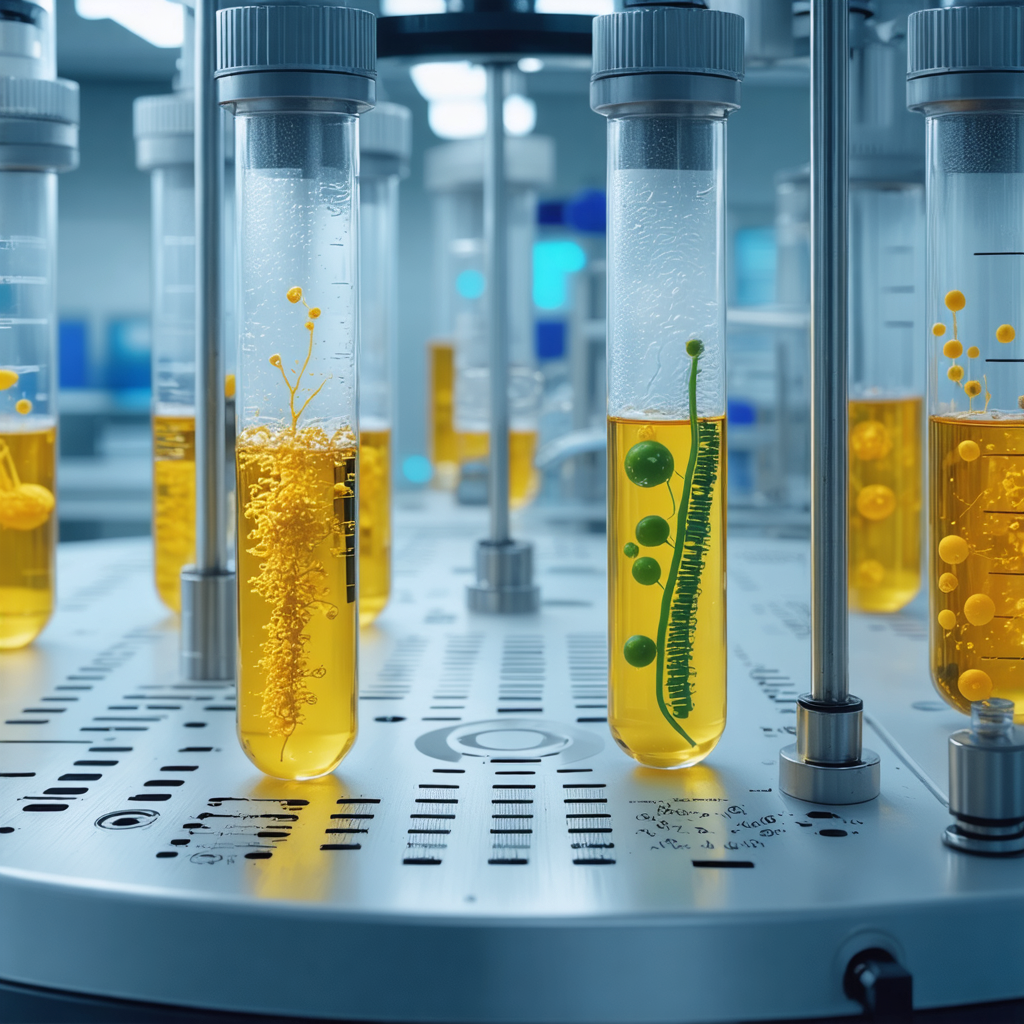
Microorganisms like yeast and bacteria are increasingly being used to produce nervonic acid in controlled environments, offering a more efficient method of production.
Using Microorganisms for Efficient Nervonic Acid Production
Microbial production of nervonic acid involves introducing specific genes into microorganisms, such as yeast or bacteria, to enable them to produce fatty acids. This approach allows for controlled production, often in bioreactors, where the conditions can be fine-tuned to maximize yield. The use of microorganisms also reduces the environmental footprint compared to traditional plant farming, offering a more sustainable solution for the growing demand for nervonic acid.
Microbial biosynthesis presents an efficient, scalable alternative to plant-based production, with the added benefit of environmental sustainability.
Conclusion
The research into nervonic acid biosynthesis has made tremendous strides, thanks to advancements in biotechnology and microbial engineering. By understanding the enzymes, metabolic pathways, and innovative methods for enhancing production, we can ensure a more efficient and sustainable way to meet the demand for this crucial fatty acid.
For more information on nervonic acid and to explore our products, visit our nervonic acid page.
-
Discover how nervonic acid influences plant breeding and its potential benefits in agriculture. ↩
-
This resource will deepen your understanding of elongase and its critical function in fatty acid metabolism, essential for biochemistry enthusiasts. ↩
-
Exploring fatty acid synthesis provides insights into metabolic processes crucial for energy production and cellular function. ↩
-
Exploring lipid metabolism in plants reveals crucial insights into energy storage and cellular functions, vital for agricultural advancements. ↩
-
This resource will delve into the role of genetic engineering in biotechnology, showcasing its impact on production efficiency and innovation. ↩