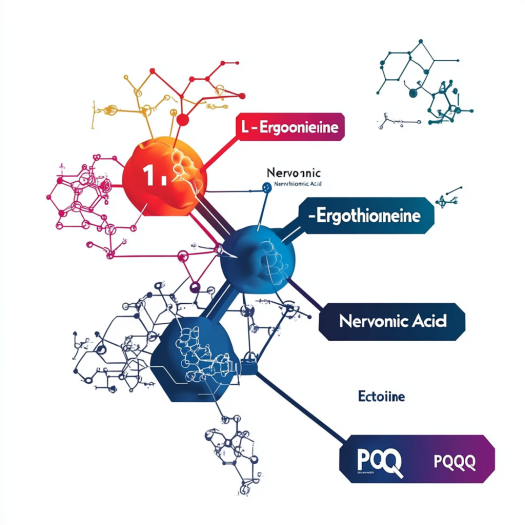
Nervonic acid is a fascinating compound with remarkable properties. In this article, I’ll break down its structure and explore everything you need to know about it.
Nervonic acid is a naturally occurring fatty acid that plays a crucial role in brain health and nerve regeneration. It is a vital building block for myelin, which helps nerve cells communicate effectively.
Nervonic acid is gaining more attention, especially in the world of dietary supplements and functional foods. But why is it so important for our health?
What Is Nervonic Acid?
Nervonic acid is a long-chain unsaturated fatty acid found primarily in the brain and nervous system. It plays a crucial role in myelin sheath formation, which is essential for nerve function.
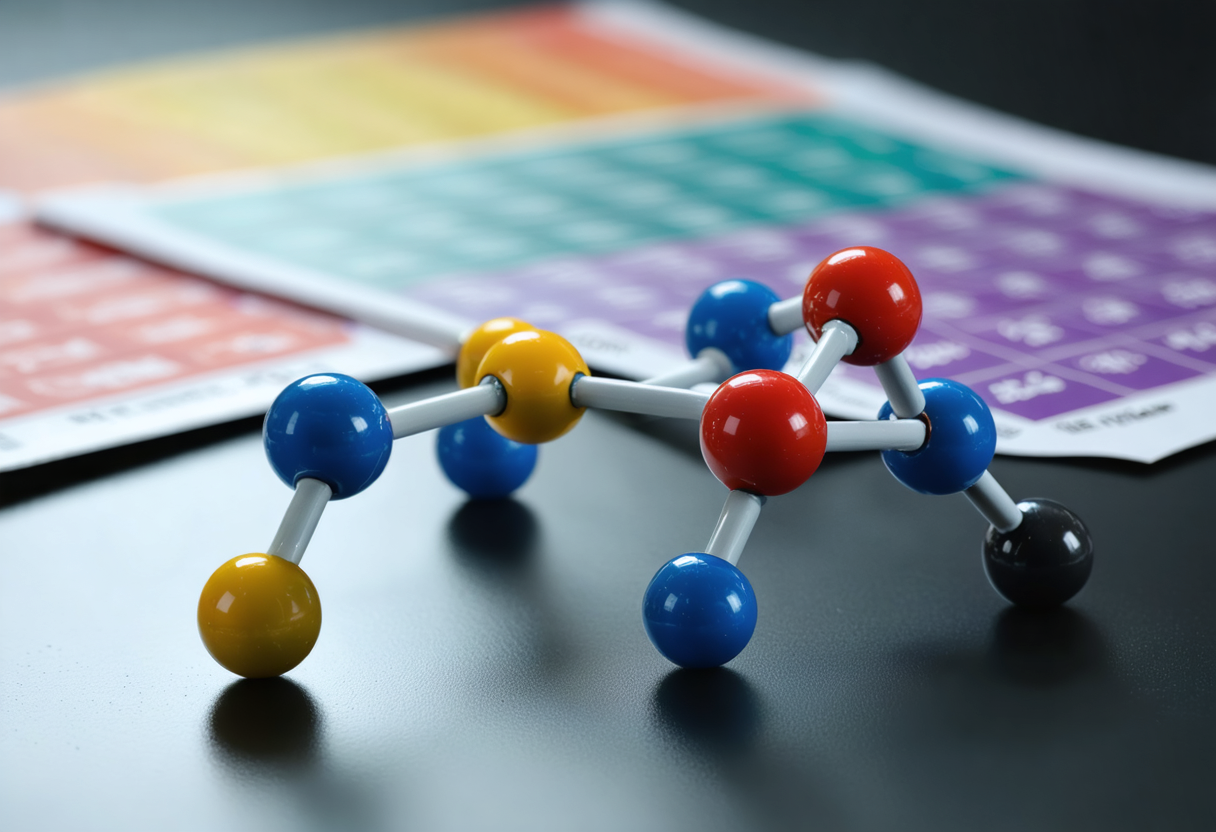
Nervonic acid’s structure is quite special. It has a unique position in the family of fatty acids due to its unsaturation, which gives it some remarkable biological activities. Let’s take a deeper dive into its molecular structure, benefits, and where you can find it.
The Chemical Structure of Nervonic Acid
Nervonic acid’s structure is defined by a 24-carbon backbone with a double bond at the ninth carbon from the methyl end.
The unique structure of nervonic acid contributes to its effectiveness in supporting nerve function. Its carbon chain is quite long compared to other fatty acids, and the presence of a double bond makes it unsaturated, giving it distinct properties that are critical for the function of brain cells.
Molecular Composition
At its core, nervonic acid consists of:
- 24 carbon atoms
- A double bond at position 9
- A carboxyl group (-COOH) at the end
This simple yet powerful structure makes it an essential component for maintaining the integrity of nerve cell membranes, especially in the central nervous system.
The Role of Nervonic Acid in the Body
Nervonic acid plays a crucial role in the regeneration of myelin and supporting cognitive health. It is a vital component for the health of nerve cells and brain function.

Nervonic acid helps form myelin1, the protective layer that surrounds nerve fibers. Think of it like insulation around electrical wires—without it, nerve transmission becomes slower and less efficient. This is particularly important for brain functions like memory, learning, and overall cognitive health.
In addition to its role in myelin formation, nervonic acid also helps in:
- Neuroprotection: Protects neurons from oxidative damage and supports nerve regeneration.
- Cognitive Health: Enhances memory and brain functions.
- Inflammation Reduction: Helps to reduce inflammation in the nervous system, especially in neurodegenerative diseases.
Examples in Real Life
- Nervonic acid supplements: Often found in cognitive health products aimed at improving memory and brain function.
- Skincare: With its anti-inflammatory properties, it can also be beneficial for sensitive skin care products.
Health Benefits of Nervonic Acid
Nervonic acid is especially beneficial for cognitive health and supporting the regeneration of nerve cells, making it a go-to supplement for improving brain function.
When it comes to cognitive health, nervonic acid is a powerhouse. It supports brain functions like memory and learning while protecting against the damaging effects of oxidative stress2. It also aids in nerve regeneration, which is important for those dealing with neurodegenerative diseases or nerve injuries.
Some key benefits include:
- Enhanced Memory: Nervonic acid contributes to better memory and cognitive function, which is critical as we age.
- Nerve Regeneration: By aiding in myelin sheath formation, it accelerates the healing process for nerve cells.
- Anti-Inflammatory Effects: Reduces inflammation, particularly in the central nervous system, which is vital for maintaining long-term health.
Where Can You Find Nervonic Acid?
Nervonic acid is naturally found in foods like rapeseed oil and some fish oils, but supplementation might be necessary to get therapeutic levels.
The most common source of nervonic acid is rapeseed oil, which contains a high concentration of this fatty acid. Other sources include:
- Fish oils: Particularly those from oily fish like salmon and mackerel.
- Nuts and seeds: These are good sources of various unsaturated fatty acids, including nervonic acid.
- Dietary supplements: If you’re not getting enough nervonic acid from food, supplements are available to help.
Table: Sources of Nervonic Acid
| Source | Amount of Nervonic Acid (per 100g) |
|---|---|
| Rapeseed oil | 1.5-2% |
| Fish oils (salmon) | 0.5-1% |
| Nuts and seeds | 0.2-1% |
Why Should You Consider Supplementing with Nervonic Acid?
Given its potential benefits for brain health and nerve regeneration, supplementing with nervonic acid can help improve cognitive performance and protect against neurodegeneration.
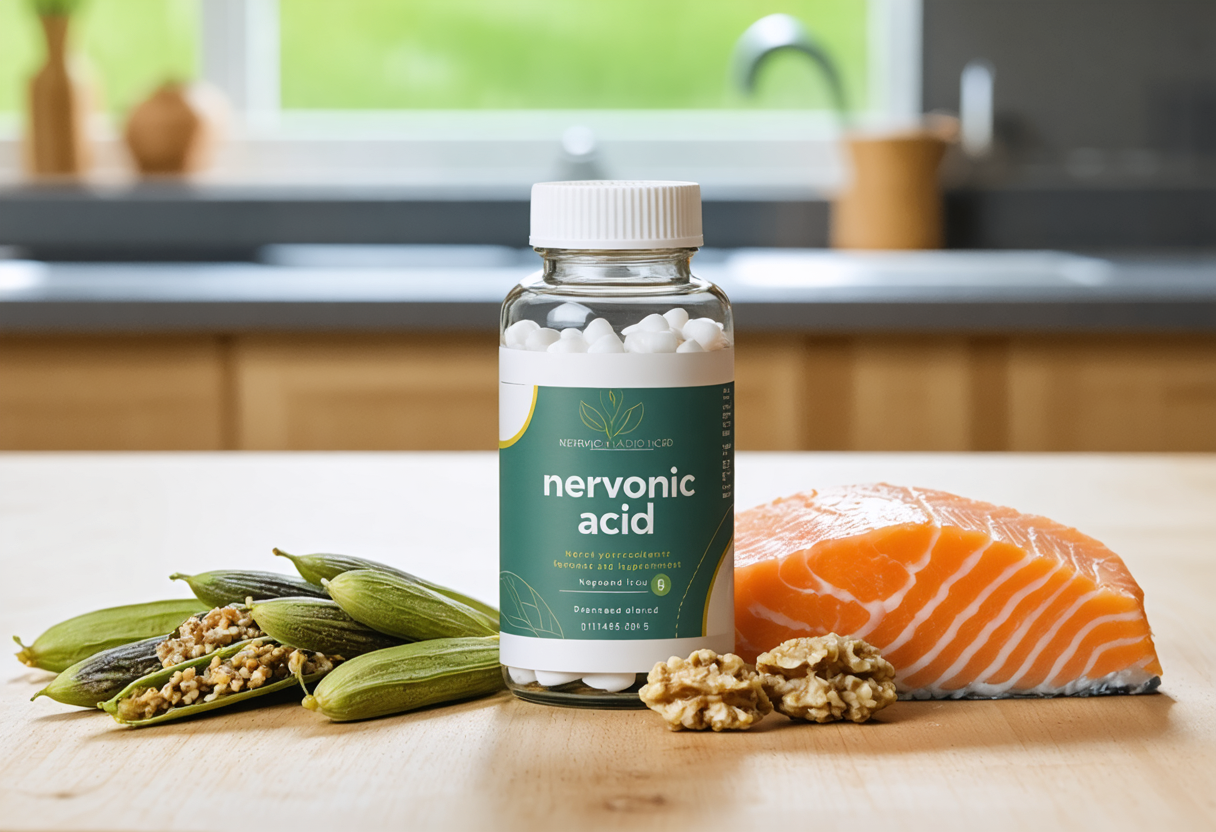
Nervonic acid supplementation is particularly useful for people looking to boost cognitive function or those experiencing age-related cognitive decline. Whether you’re an athlete looking to support nerve regeneration or someone concerned about aging and brain health, nervonic acid can be a great addition to your wellness regimen.
Some of the advantages of supplementation include:
- Improved Brain Function: Memory, focus, and learning ability can be enhanced.
- Protection from Neurodegeneration: Helps protect against the effects of Alzheimer’s and Parkinson’s disease.
- Better Nerve Recovery: Essential for anyone recovering from nerve damage or injury.
If you’re interested in incorporating nervonic acid into your products or brand, feel free to reach out to us at Santa Biotech. We offer high-quality nervonic acid, and we can help you design custom formulations for your products.
Conclusion
Nervonic acid is an important compound for nerve health, offering a wide range of benefits from cognitive function to nerve regeneration. It’s a great addition to any wellness regimen.