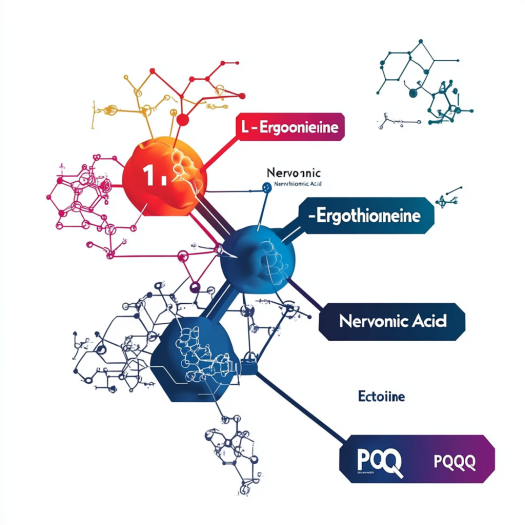

Nervonic acid is something many of us might not think about often, but it plays an essential role in keeping our brain and nervous system in top shape. If you’ve ever wondered how to support brain function naturally, you’ve come to the right place.
Nervonic acid is a vital fatty acid that supports cognitive health and nerve regeneration. It’s crucial for myelin formation, which ensures fast and efficient nerve signal transmission.
Let’s dive deeper into the fascinating function of nervonic acid, explore its vital role in maintaining brain health, and how it benefits both the brain and the nervous system.
What Is Nervonic Acid and How Does It Function?
Nervonic acid is a long-chain, unsaturated fatty acid naturally present in the body, particularly in the brain and nervous tissue. It’s involved in the production and maintenance of myelin—the protective layer around nerve fibers that is essential for effective communication between nerve cells.
Nervonic acid helps in the formation of myelin, which is necessary for fast and efficient nerve signal transmission in the brain and nervous system.
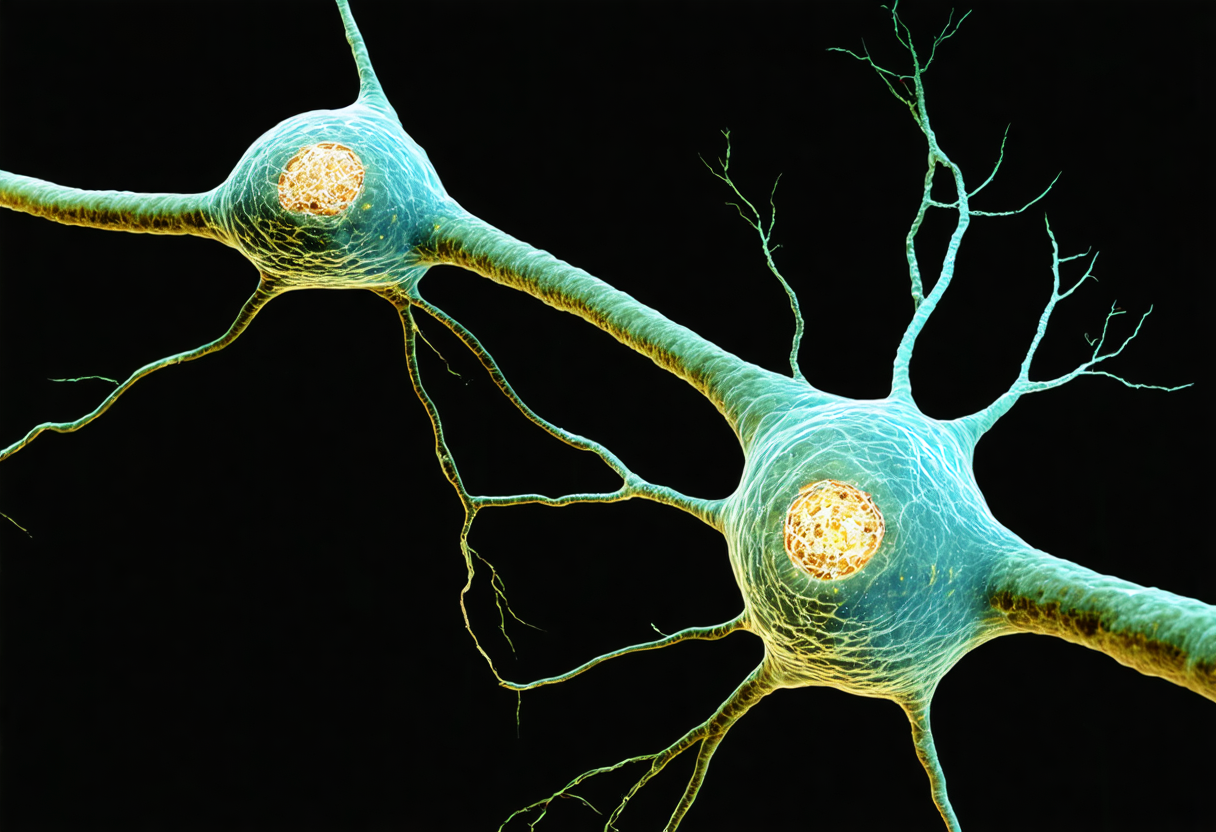
Without healthy myelin, nerve cells can’t function properly, leading to slower transmission of nerve impulses, which can negatively affect brain function, memory, and overall cognitive performance. In other words, nervonic acid ensures that your brain works like a well-oiled machine, maintaining fast and smooth communication between its cells.
Why Is Myelin So Important for Brain Function?
To truly understand how nervonic acid works, it’s important to know why myelin is so vital. Myelin acts as the insulation around nerve fibers, much like how wires are insulated to prevent electrical signals from leaking out. When myelin is intact, nerve impulses travel faster and more efficiently, allowing the brain to process information quickly.
Nervonic acid plays a key role in ensuring the integrity of myelin, allowing the brain to transmit signals quickly and without interference.
What Happens If Myelin Is Damaged?
When myelin becomes damaged or degraded, it can slow down nerve signal transmission, leading to cognitive decline1 and various neurological issues. This is where nervonic acid’s role becomes even more significant—it aids in maintaining the health and regeneration of myelin. In cases of conditions like multiple sclerosis, myelin degeneration2 is a major factor, and nervonic acid can help support repair and regeneration, offering hope for better brain health.
Nervonic acid supports myelin regeneration, ensuring that nerve signals continue to travel efficiently, even when myelin has been compromised.
How Does Nervonic Acid Support Cognitive Function?
One of the primary ways nervonic acid functions is by enhancing cognitive abilities. As we age, our brain cells and their myelin sheaths naturally degrade, which leads to slower processing speeds, poor memory retention, and difficulty focusing. By supporting the integrity of myelin, nervonic acid can help combat these effects, promoting better focus, memory, and mental clarity.
By maintaining myelin health, nervonic acid ensures that cognitive functions like memory and concentration remain sharp, even with age.

How Does Nervonic Acid Improve Brain Performance?
When nervonic acid is present at adequate levels, it helps the brain’s neurons communicate more effectively, boosting cognitive function. The improved signal transmission not only helps in memory recall but also enhances focus and concentration. This makes nervonic acid an ideal candidate for anyone looking to improve brain performance, especially in today’s fast-paced world.
Nervonic acid improves the brain’s ability to retain information, process thoughts quickly, and maintain focus for longer periods.
Can Nervonic Acid Help with Neurodegenerative Diseases?
Nervonic acid may offer support for people dealing with neurodegenerative diseases3 such as Alzheimer’s or multiple sclerosis. These conditions are often characterized by myelin damage or the breakdown of nerve cells, leading to cognitive decline and memory loss. By promoting myelin regeneration, nervonic acid could help protect the brain from these debilitating diseases.
Nervonic acid plays a neuroprotective role, helping to maintain brain health and offering potential protection against neurodegenerative diseases.
: What Role Does Nervonic Acid Play in Brain Repair?
For individuals suffering from nerve degeneration or neurological diseases, nervonic acid can be a key ally in the repair process. The fatty acid stimulates the production of new myelin, which can help regenerate damaged nerve cells. This process is particularly crucial in conditions like multiple sclerosis4, where the immune system attacks myelin. By providing the brain with the building blocks for repair, nervonic acid offers hope for slowing down the progression of such diseases.

Nervonic acid helps the brain repair itself by stimulating myelin production, which can be especially beneficial for those with degenerative neurological diseases.
How Can You Ensure You’re Getting Enough Nervonic Acid?
Nervonic acid is found in various food sources, with rapeseed oil being one of the richest sources. However, getting enough of it through diet alone may be challenging for some. This is why nervonic acid supplements are gaining popularity, as they provide a convenient and effective way to boost intake.
Supplements can help you achieve the right levels of nervonic acid, especially if you’re looking to improve brain function and protect your nervous system.
What Are the Best Forms of Nervonic Acid Supplements?
Supplements come in various forms, including capsules, tablets, and powders. Capsules and tablets are the most common because they offer a precise dosage and are easy to incorporate into a daily routine. Powders can be mixed with drinks, making them a flexible option for those who prefer to avoid pills.
| Supplement Form | Advantage |
|---|---|
| Capsules | Convenient, precise dosage |
| Tablets | Easy to take, convenient |
| Powders | Can be mixed into drinks |
Each supplement form has its own advantages, so you can choose what works best for your lifestyle and health goals.

Are There Any Risks of Overusing Nervonic Acid?
Like any supplement, nervonic acid should be used in moderation. Excessive intake of any fatty acid can lead to unwanted side effects, including digestive issues or potential imbalances in other fatty acid levels5. It’s always best to consult with a healthcare provider before adding any new supplement to your routine, especially if you have underlying health conditions.
Moderation is key when incorporating nervonic acid into your routine, as excessive use may disrupt the balance of fatty acids in your body.
Conclusion
Nervonic acid plays a crucial role in brain and nerve health. By supporting myelin production and regeneration, it ensures the efficient transmission of nerve signals, which is vital for cognitive function and overall mental clarity. Whether you’re looking to improve your brain health or protect against cognitive decline, nervonic acid offers a natural and effective solution.
For more information on nervonic acid and how it can benefit your brain health, visit our nervonic acid page.
-
This link will offer valuable information on preventing cognitive decline and maintaining brain health. ↩
-
Understanding the causes and treatments for myelin degeneration can enhance your knowledge of neurological health. ↩
-
Stay updated on innovative treatments and research for neurodegenerative diseases, including Alzheimer’s and MS. ↩
-
Stay informed about the latest advancements in multiple sclerosis treatments and how they relate to nerve repair. ↩
-
Understanding fatty acid levels is crucial for maintaining overall health; this link will deepen your knowledge on the topic. ↩